From Discussion to Experimentation
Highlights from the OIS Research Conference 2026
by Susanne Beck and Marion Poetz, 15/05/2026
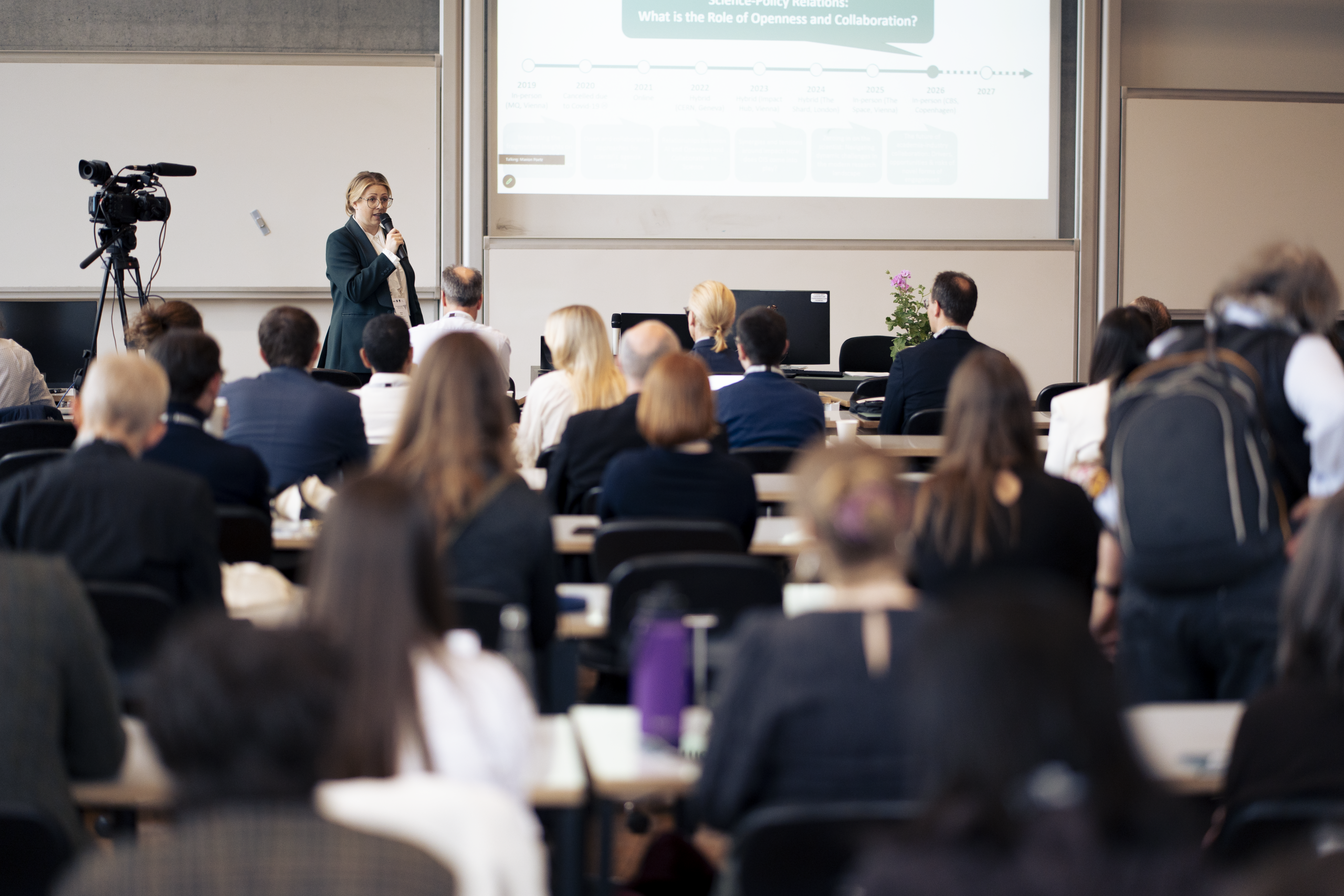
From May 11-13, 2026, the OIS Research Conference 2026 brought together an international community of researchers from different fields, policymakers and institutional leaders at Copenhagen Business School (CBS) to explore this year’s conference theme: “Science-Policy Relations: What is the Role of Openness and Collaboration?”
Across three days of keynotes, debates, paper sessions, experimentation formats, and informal exchanges, participants discussed how openness and collaboration can strengthen both the scientific and societal impact of research – while also addressing challenges related to trust, legitimacy, governance, and academic independence in an increasingly complex world.
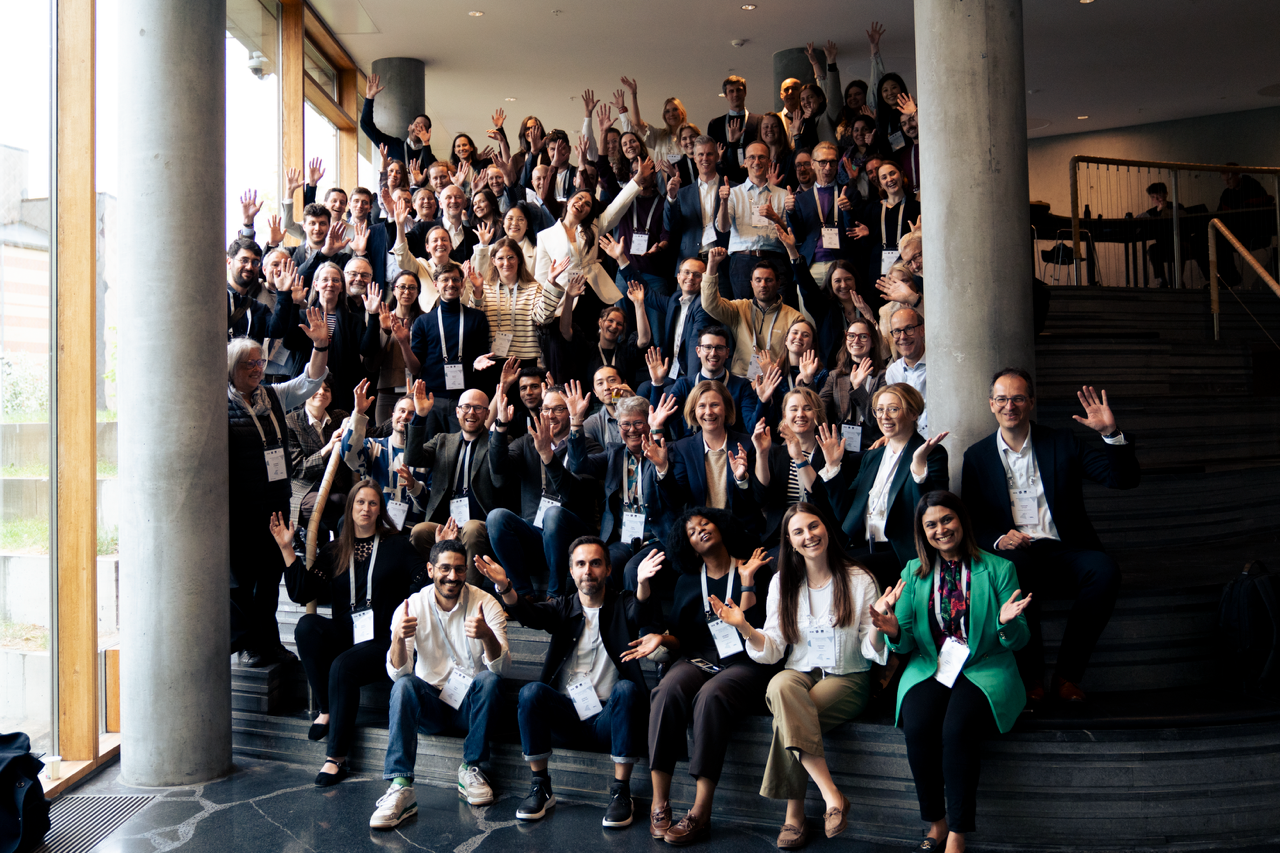
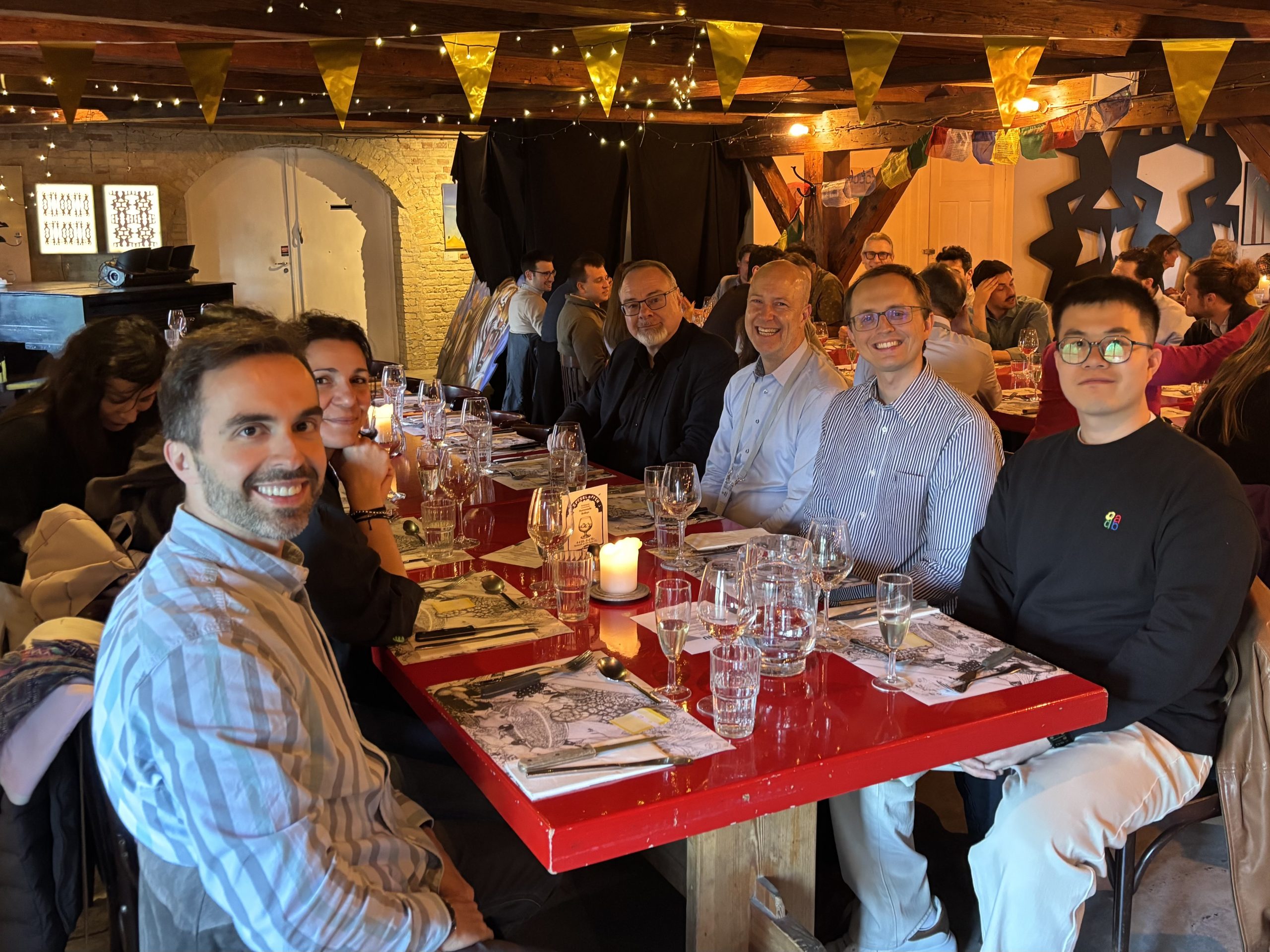
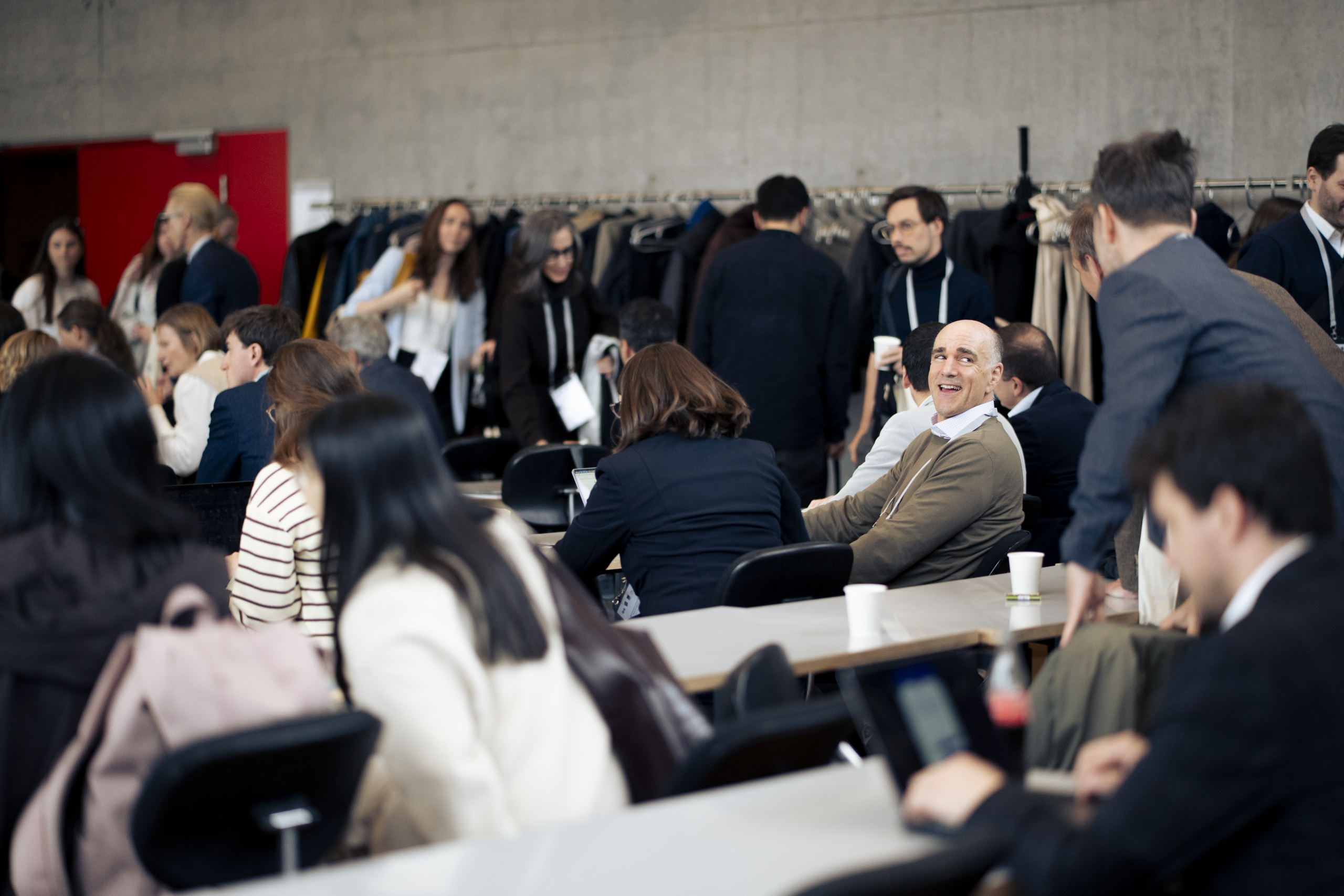
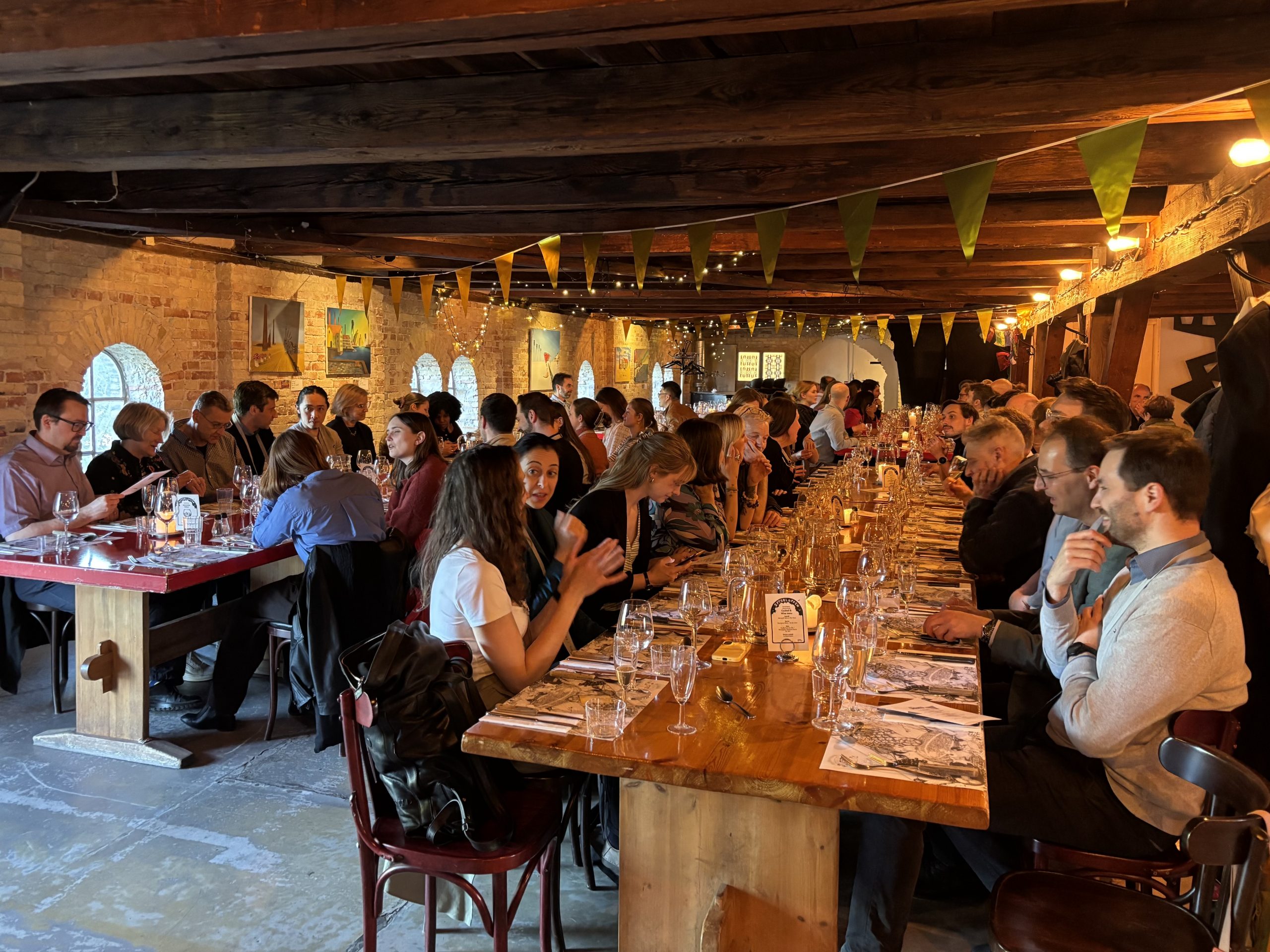
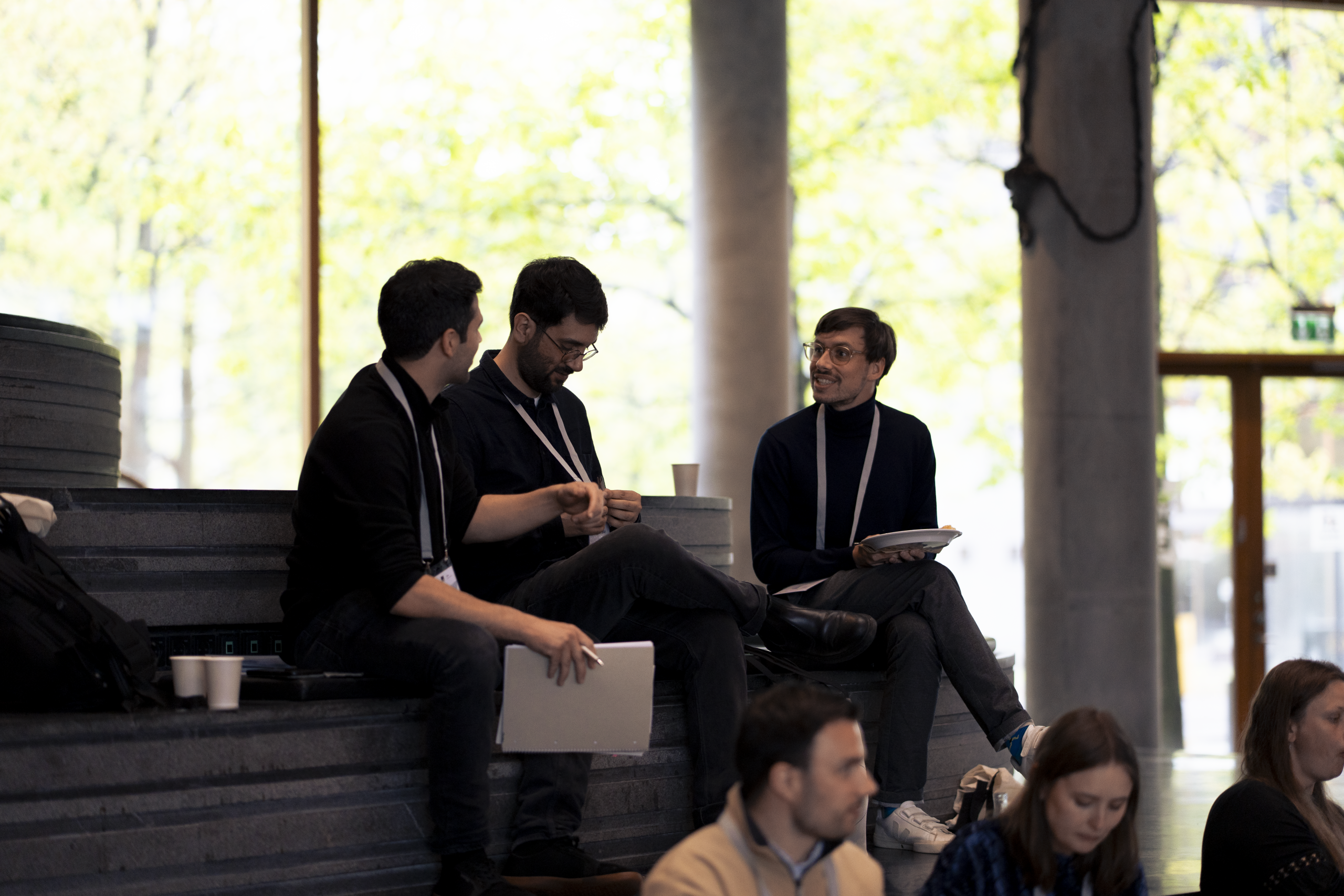
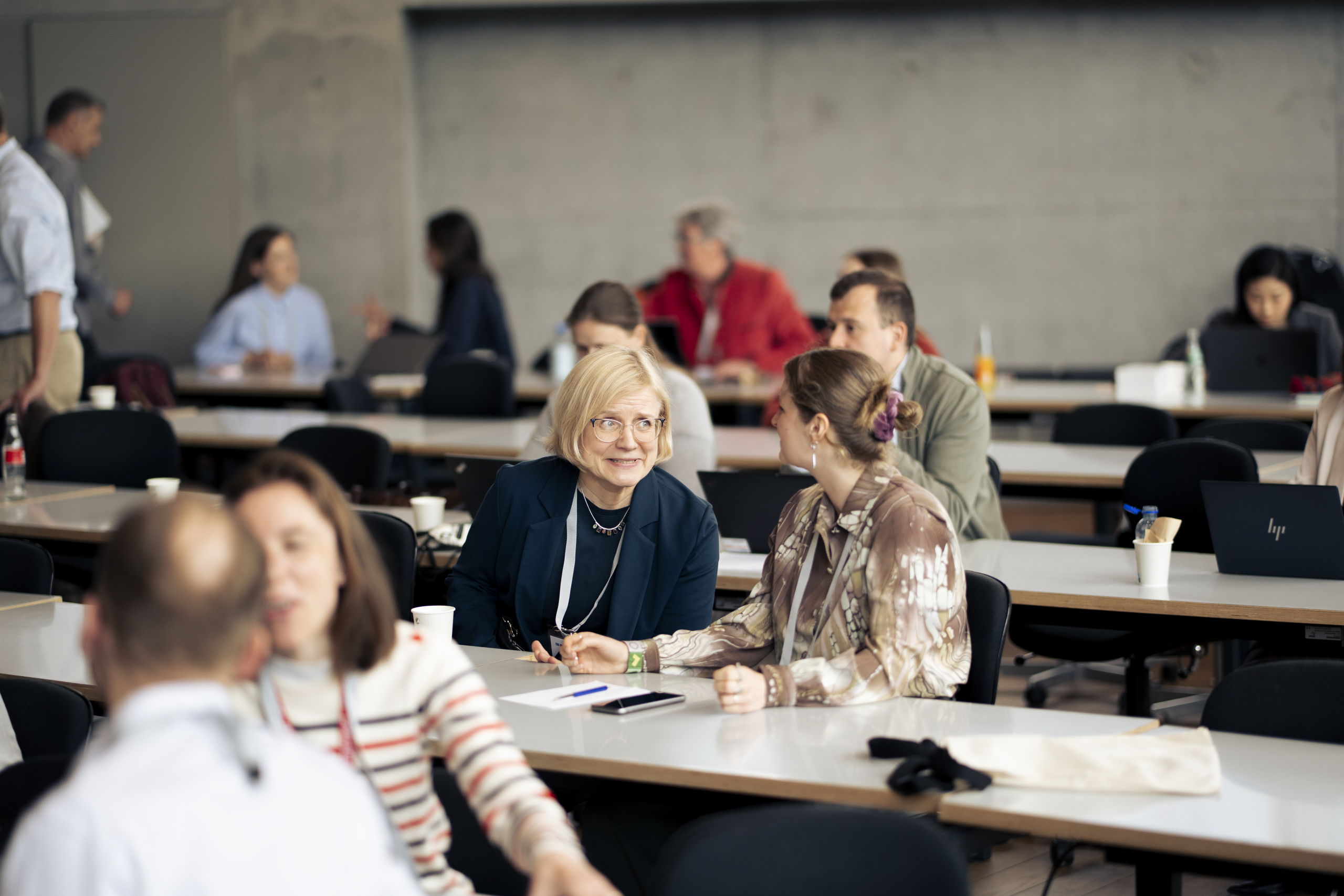
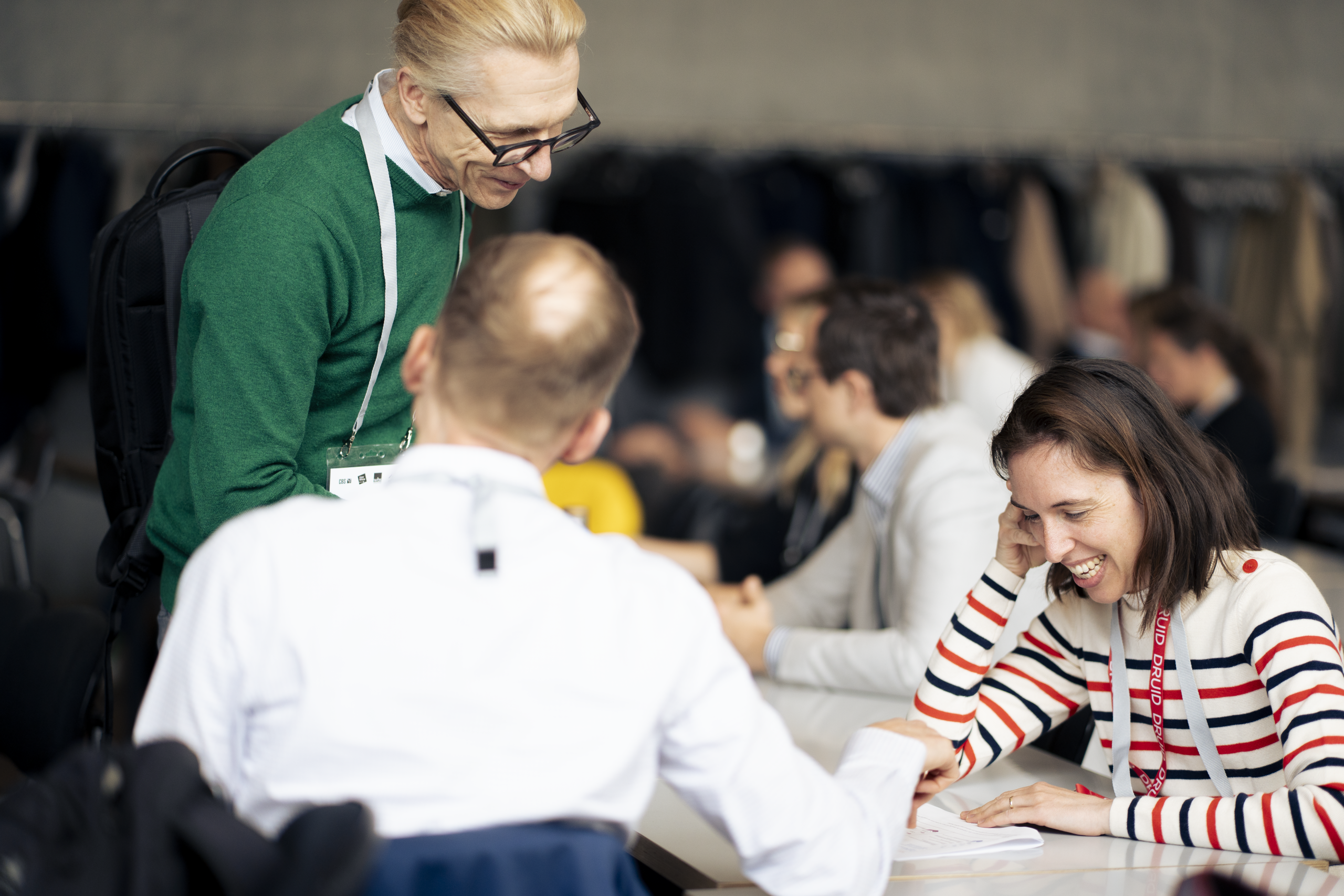
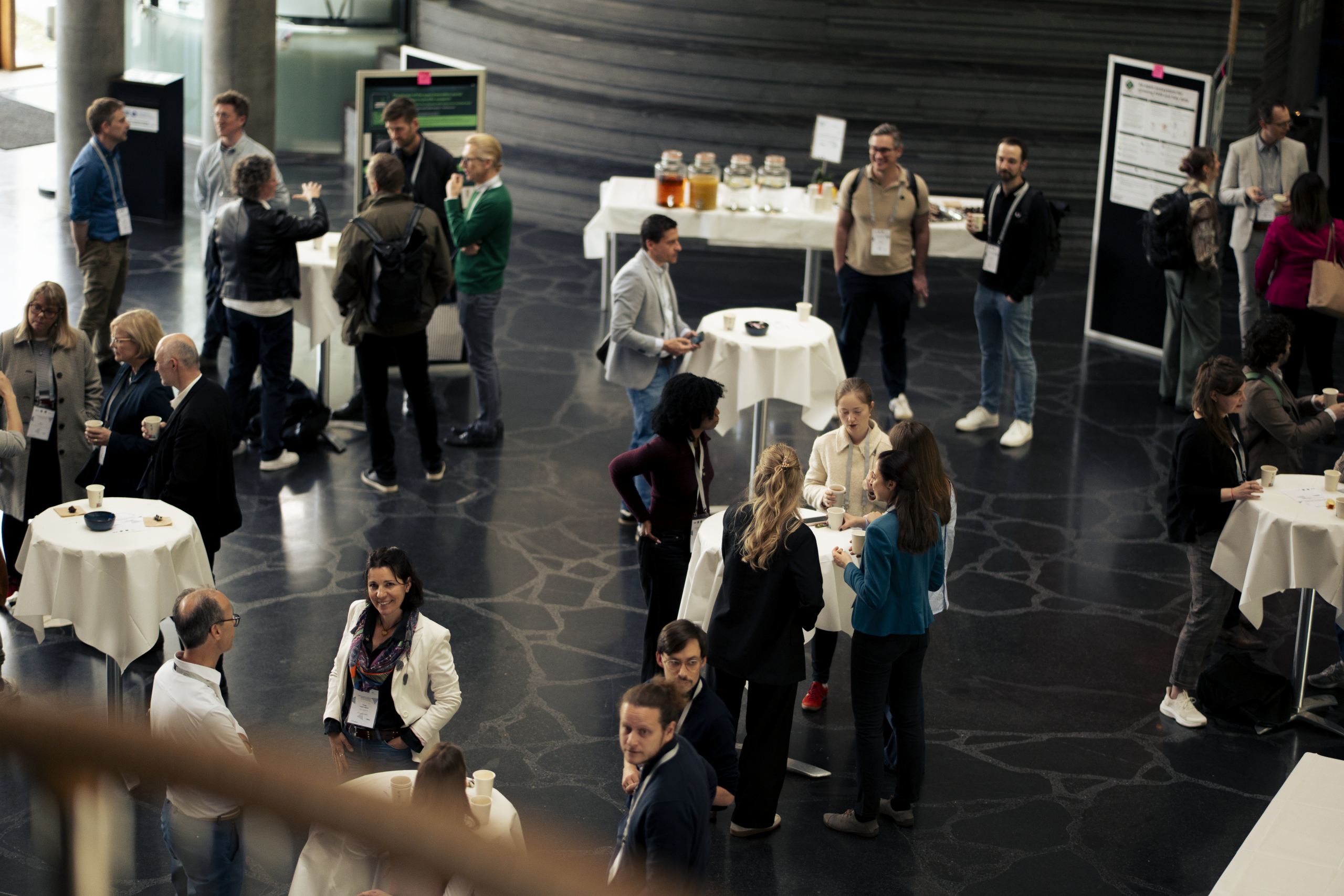
More than anything, the conference was characterized by a spirit of openness, curiosity, and genuine engagement. Conversations extended far beyond formal sessions into coffee breaks, lunches, poster discussions, walks across campus, and the conference dinner – creating the kind of collaborative atmosphere that the OIS community has become known for.
One recurring theme throughout the conference was that openness and collaboration in science are no longer peripheral topics. Rather, they are increasingly central to how universities, policymakers, funders, and societal stakeholders think about the future role of research in society — while their forms and configurations are being profoundly shaped by rapid developments in artificial intelligence and complex geopolitical challenges.
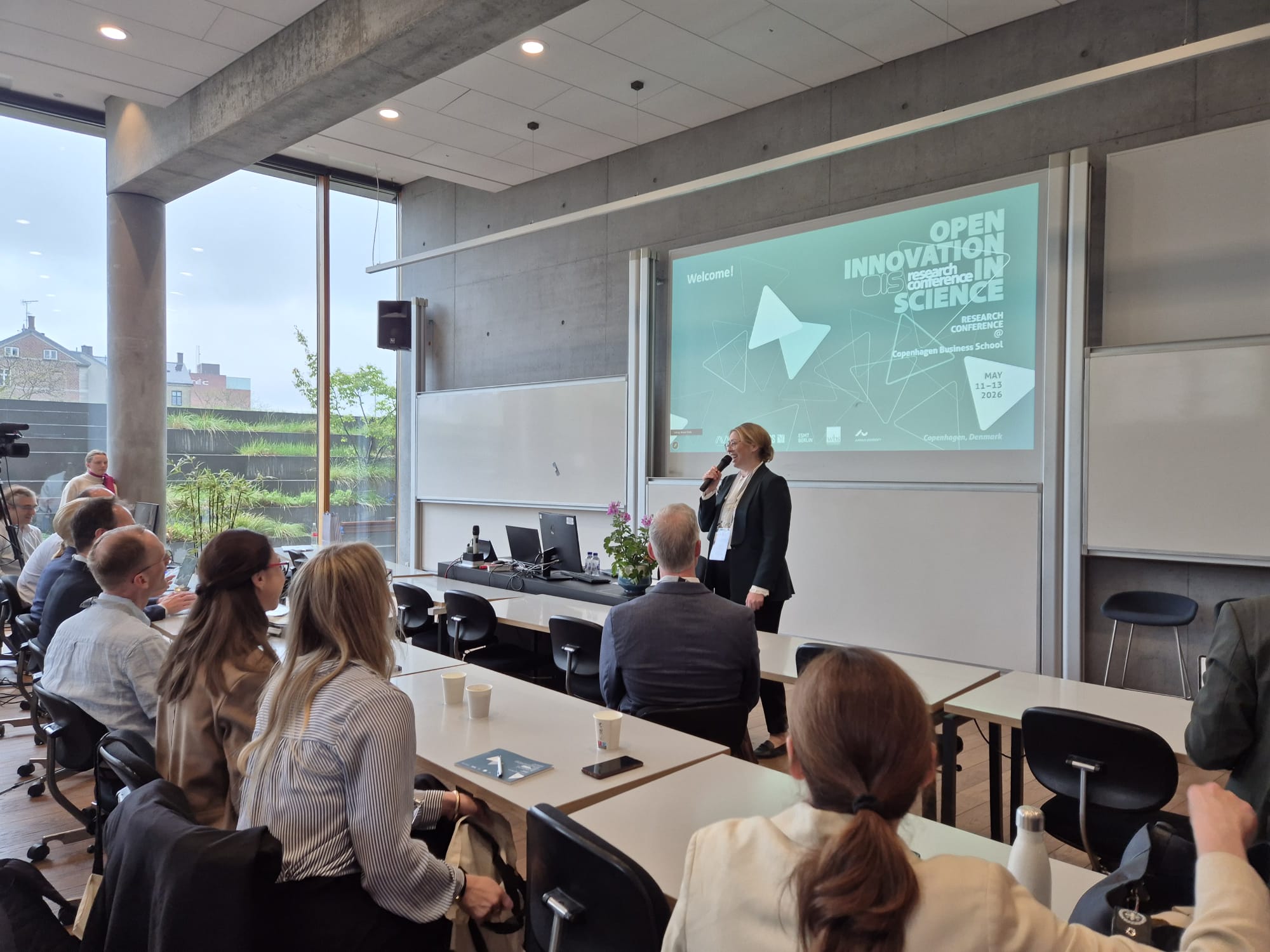
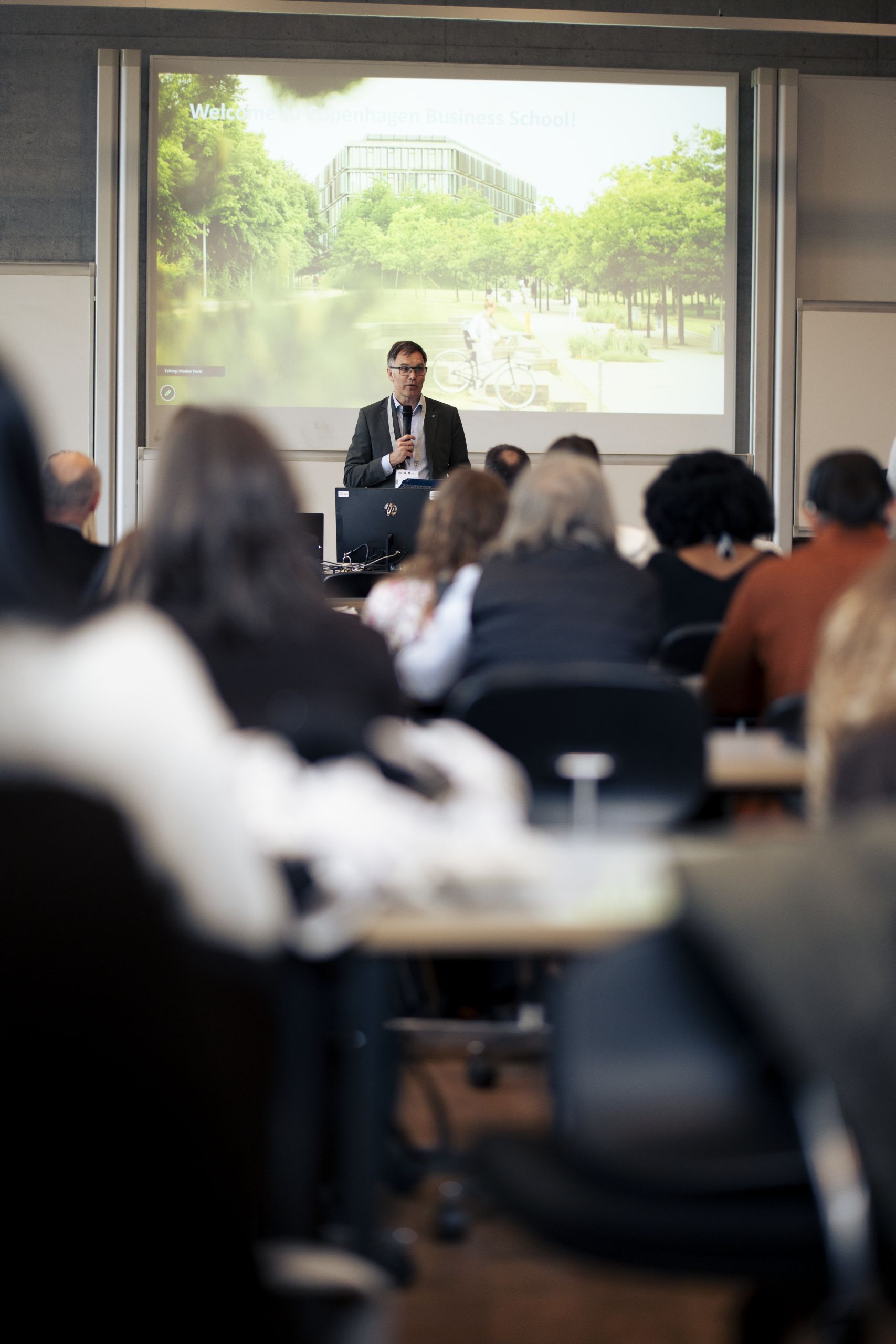
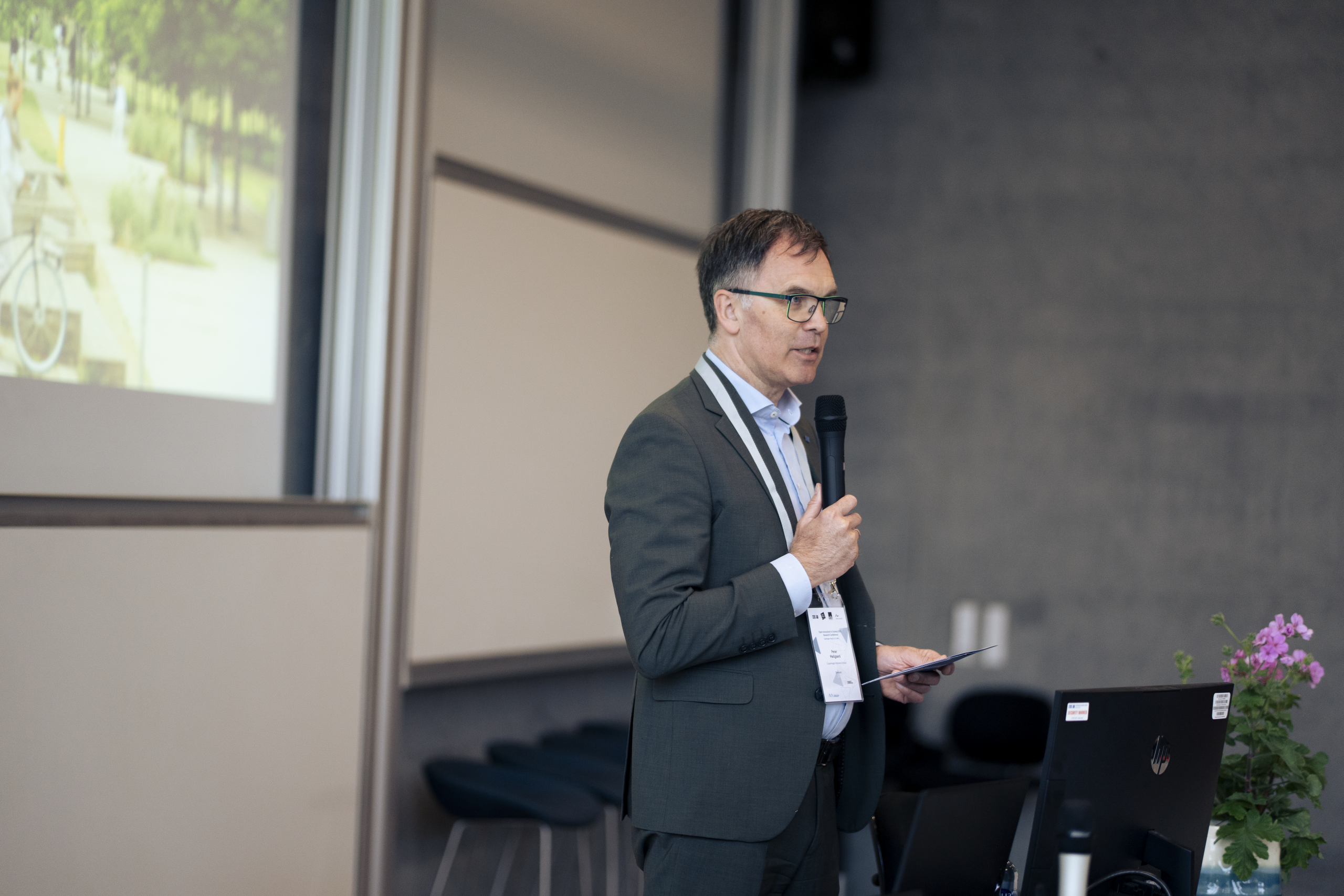
The conference opened with welcoming remarks by Marion Poety and CBS President Peter Møllgaard, who emphasized the importance of universities remaining both independent and societally engaged in times of increasing distrust and disinformation. His remarks set the tone for many of the discussions that followed throughout the conference.
Participants engaged in a rich program that included:
- two keynote speeches with Benjamin Jones and Michiel Scheffer,
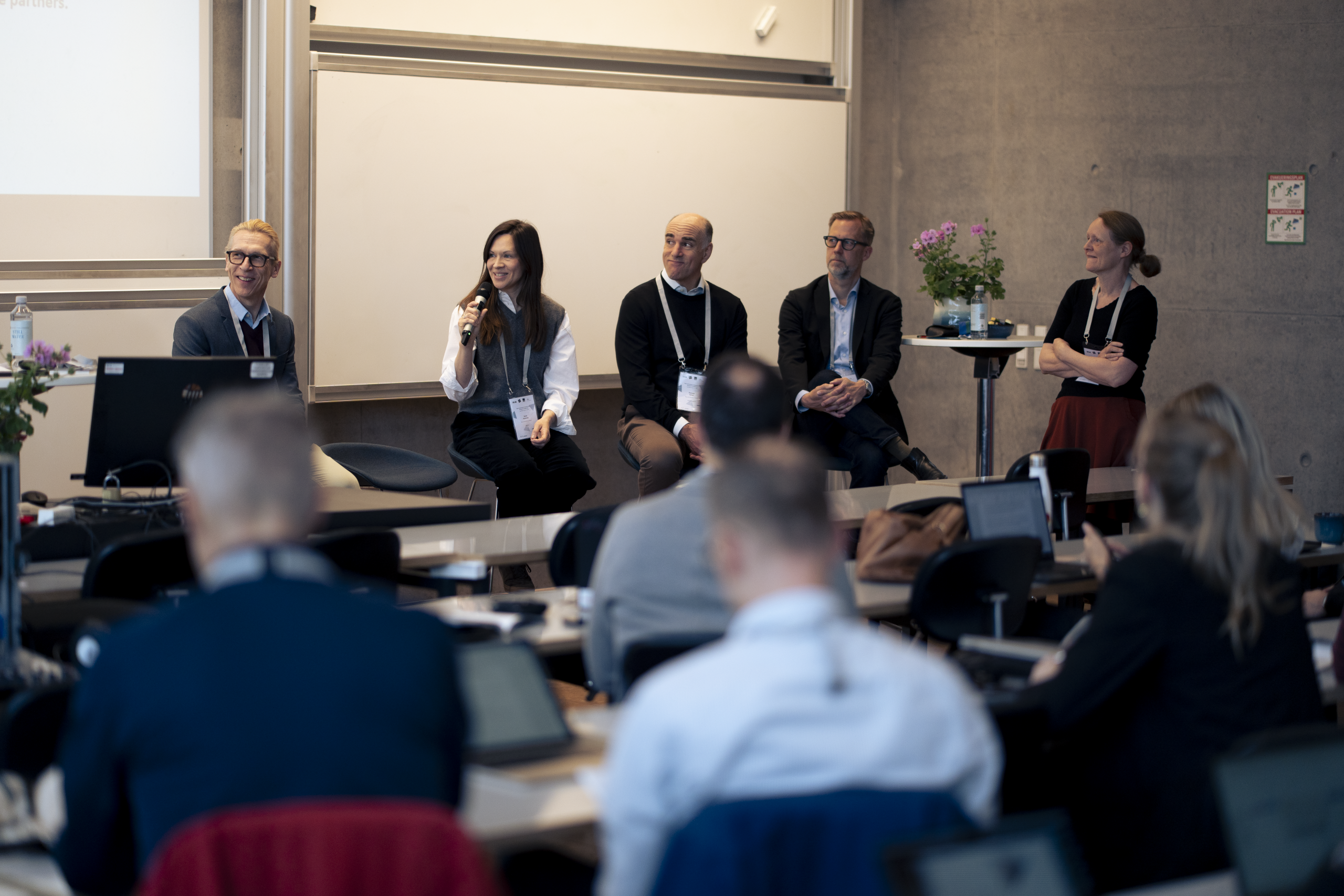
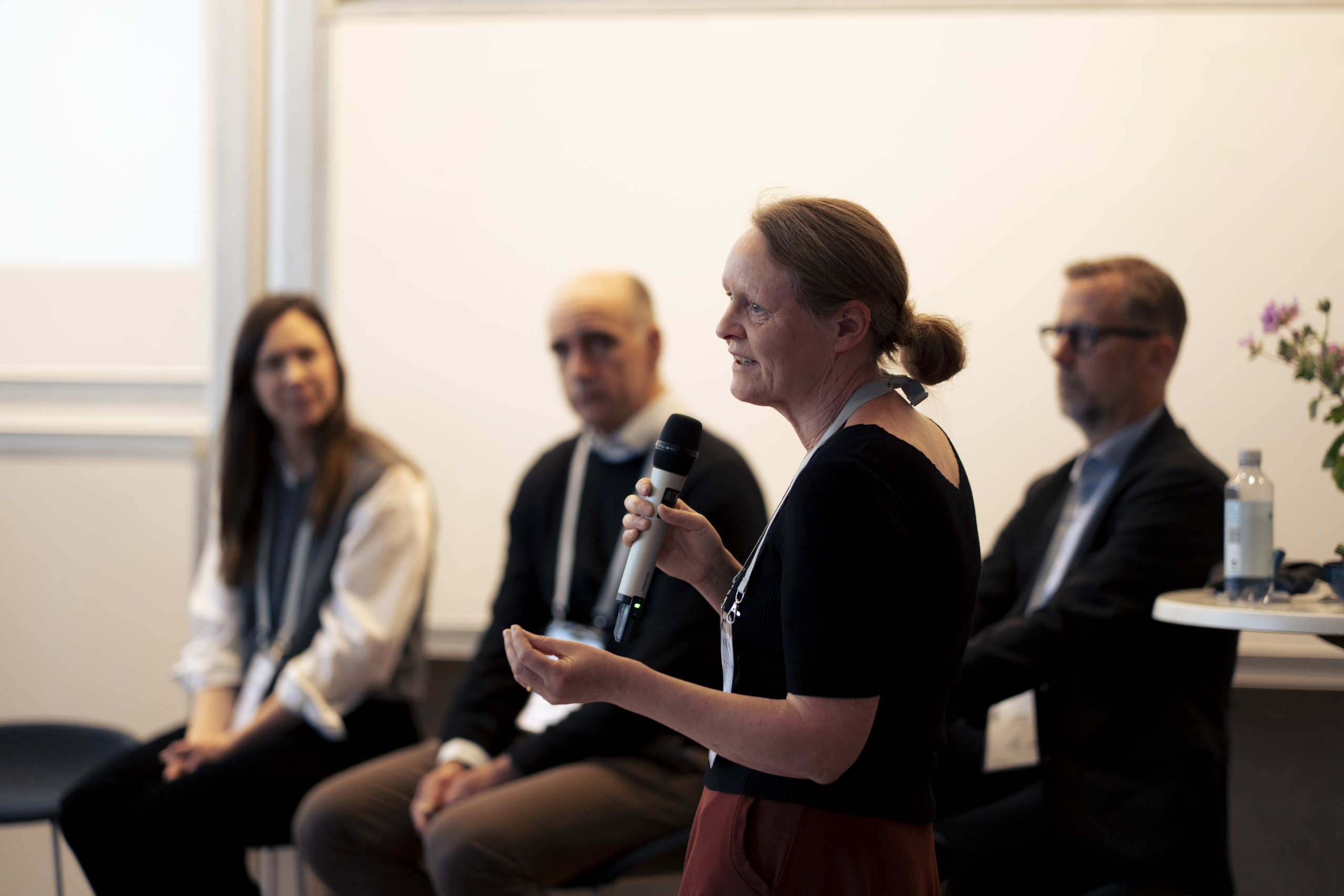
- two panel debates on the the role of opennnes and collaboration in science-policy relations (with Dietmar Harhoff, Stinus Lindgreen, Peter Møllgaard, and Reinhilde Veugelers; moderated by Henry Sauerman) how and when open university industry collaboration models create innovation impact in firms and through start-ups (with Karina Fog, Karin Hultmann, Markus Koester, Ammon Salter and Kristian Strømgaard; moderated by Maria Theresa Norn)
- ten paper sessions on various OIS-related topics,
- an OIS Experimentation Session,
- an OIS Practice Paper Session,
and a Junior Paper Development Workshop supporting early-career scholars working on openness and collaboration in science and science-based innovation (with Mercedes Delgado, Maryann Feldmann, Lee Fleming, Frank Piller, Ammon Salter, Valentina Tartari, and Reinhilde Veugelers; moderated by Susanne Beck and Christoph Grimpe)
Check out the more detailed blog posts on:
- Ben Jones’ keynote, providing a science-of science perspective on the role of openness and collaborations in science-policy relations
- Michiel Scheffer’s keynote on openness, collaboration, and Europe’s innovation challenge, providing a policy perspective on the topic
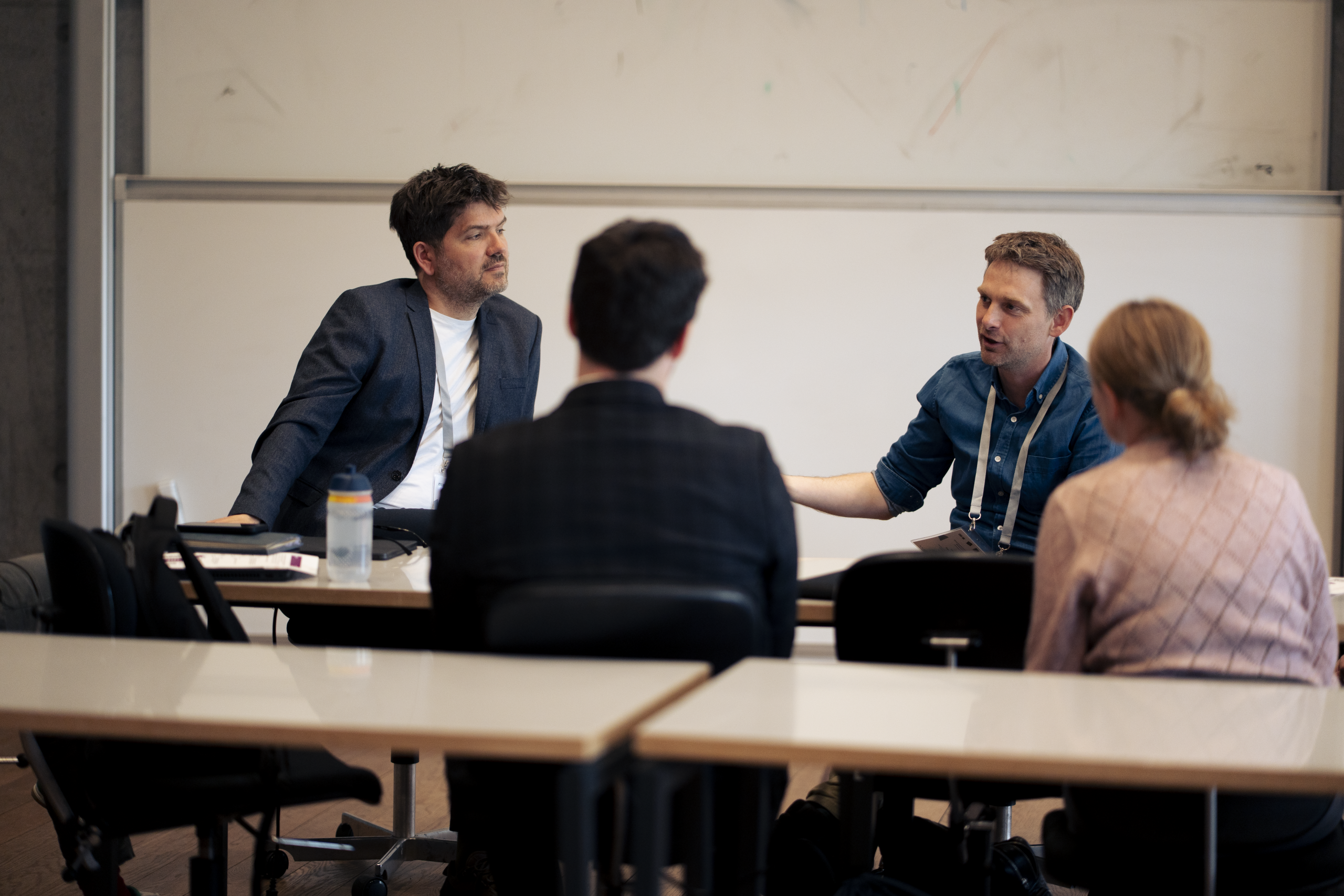
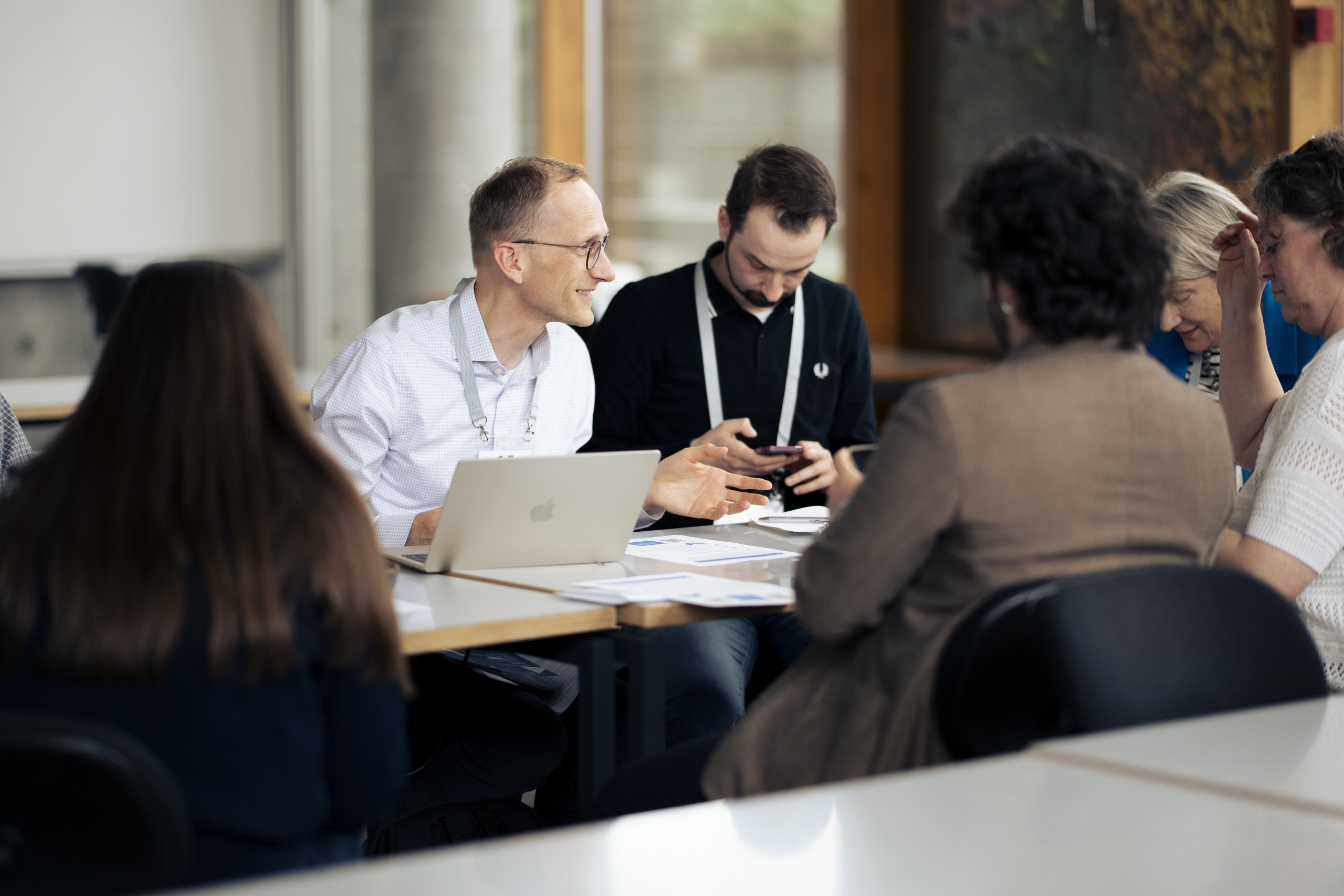
A particular highlight was again the OIS Experiment, where researchers and policymakers worked side by side to develop concrete ideas for strengthening the societal impact of research in Denmark over the next 2–5 years. True to the spirit of “walking the talk,” the session moved beyond discussing science-policy interaction to actively experimenting with different (more or less co-created) forms of doing so.
At the same time, the conference provided extensive space for discussing new research on topics such as:
- Science–policy relations and the co-production of scientific knowledge,
- Geopolitical and security-related conditions for openness and international collaboration in science,
- AI and the reconfiguration of collaborative knowledge production,
- Crowd science, citizen science, and public participation in research,
- Academic engagement, science communication, and knowledge brokerage,
- University–industry collaboration, intellectual property, and knowledge transfer,
- Data ecosystems, commons, and infrastructures for open science,
- Organizational and institutional conditions shaping openness and collaboration,
- Motivation, evaluation, incentives, and career dynamics in science,
- Inter- and transdisciplinary collaboration,
- Research assessment and impact measurement systems,
In the coming weeks, we will publish more dedicated blog posts with detailed reflections on the major conference elements – including:
- the two OIS Debate panels,
- and the OIS Experimentation Session.
So stay tuned!
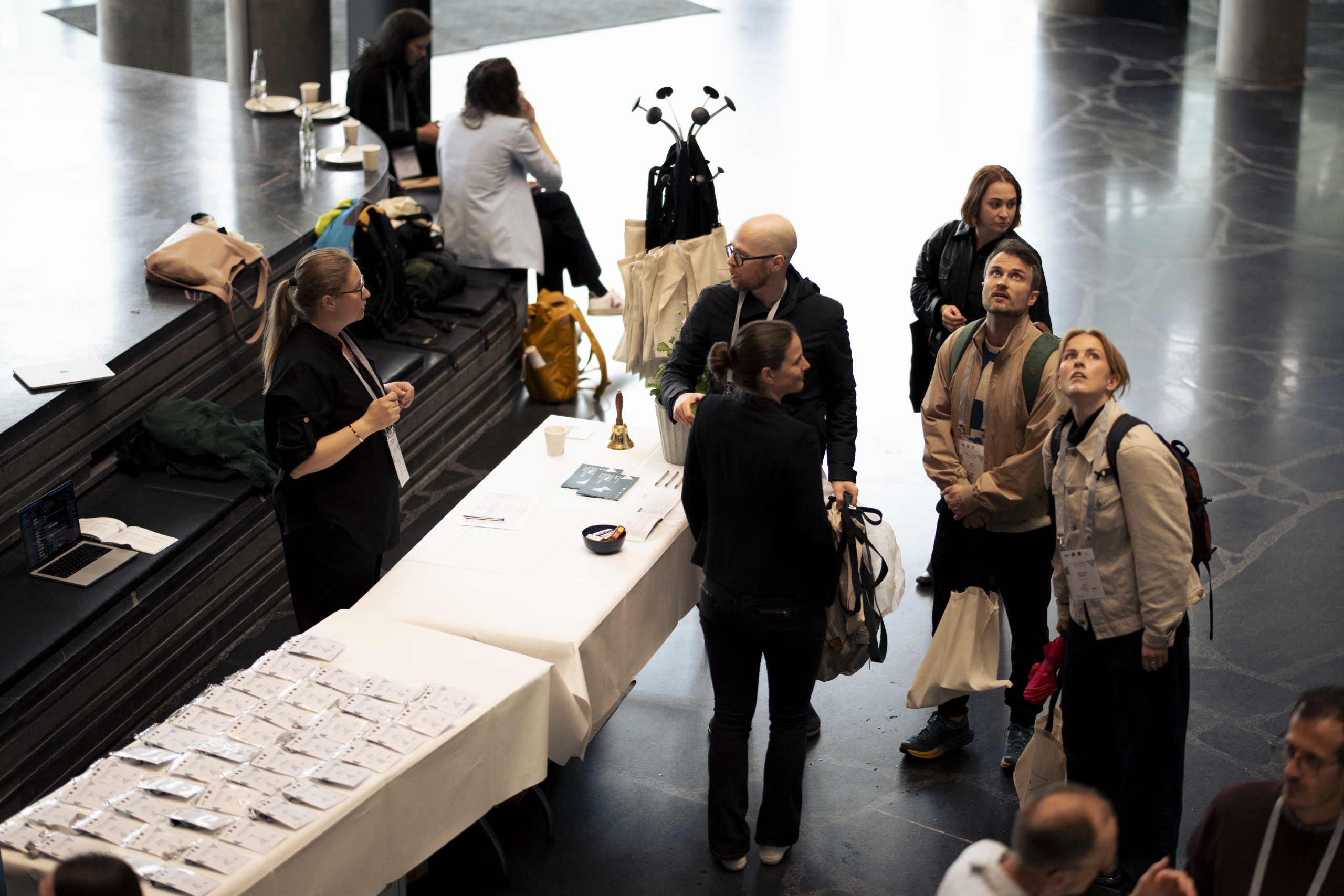
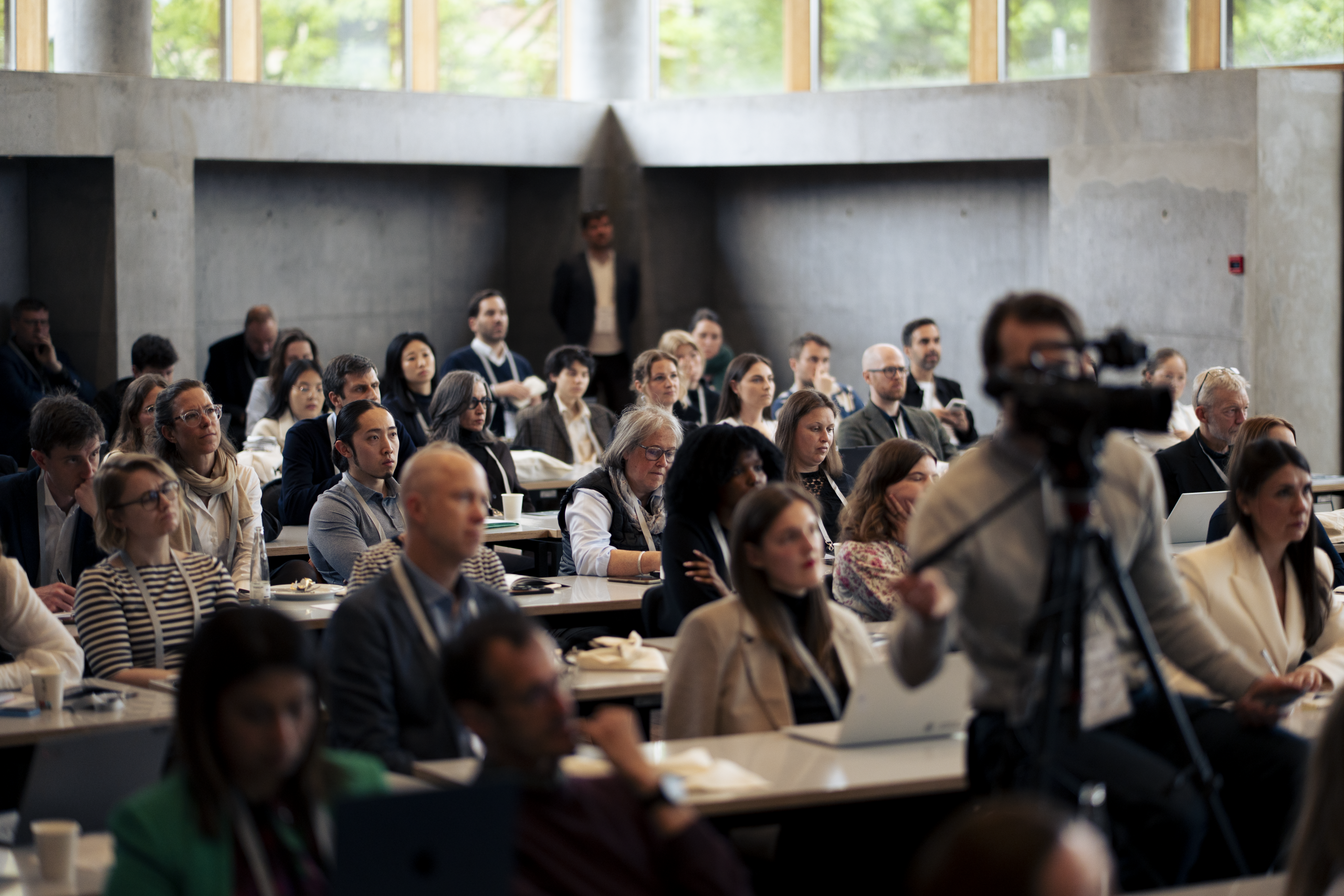
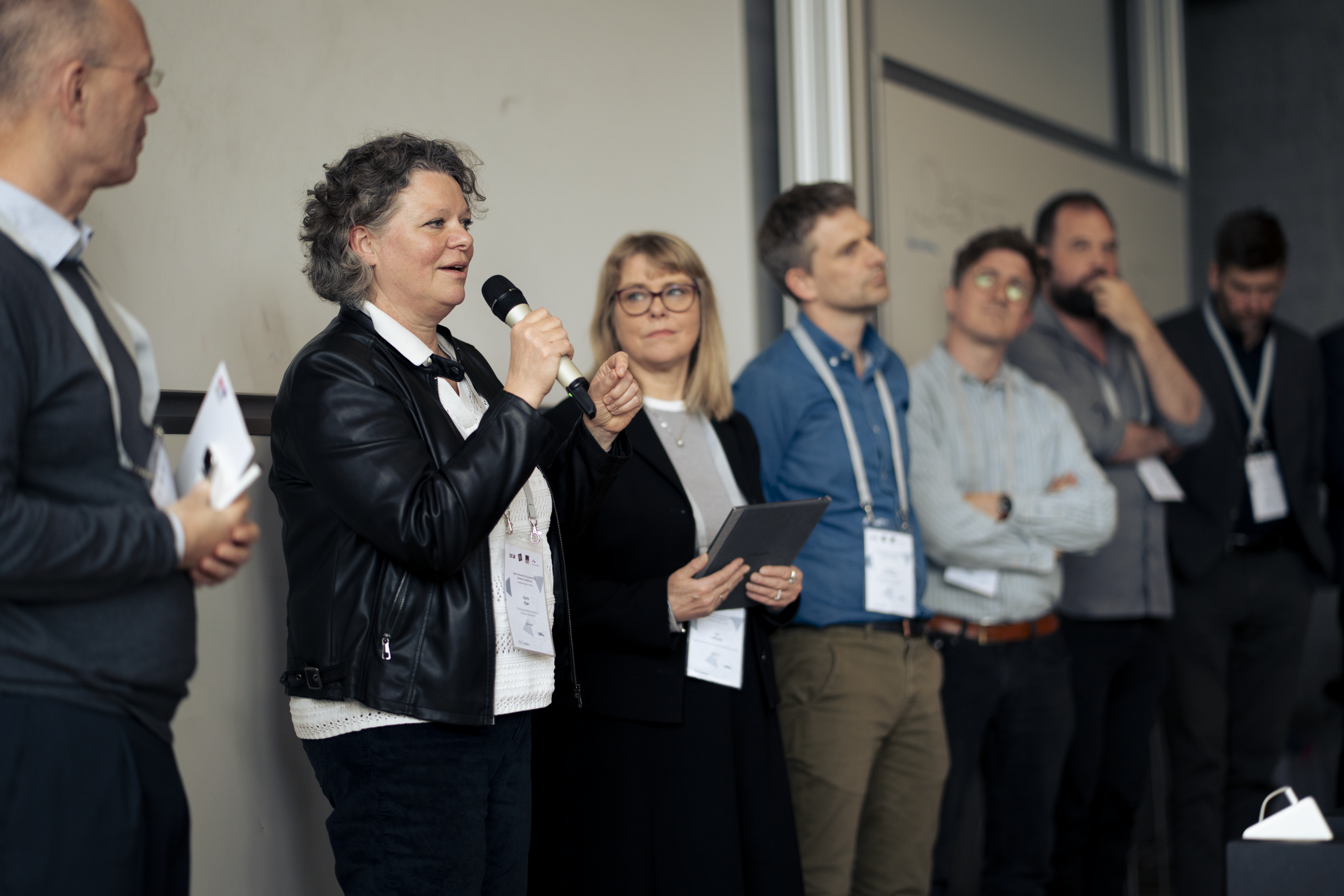
This post also shares a first collection of conference pictures capturing some of the discussions, interactions, experimentation formats, and informal moments that made this year’s conference so special.
We would like to extend our heartfelt thanks to all participants, speakers, discussants, panelists, moderators, mentors, organizers, and supporters who contributed to making the OIS Research Conference 2026 such an inspiring and collaborative event.
A special thank you goes to the organizations supporting the 2026 conference:
- Copenhagen Business School
- ESMT Berlin
- Warwick Business School
- Aarhus University
- The Carlsberg Foundation
And finally – save the date!
The OIS Research Conference 2027 will take place from May 10–12, 2027, in Valencia, co-hosted by Pablo D’Este, Oscar Llopis, and Adrián A. Diaz-Faes.
We very much look forward to continuing the conversation there.
For more information about the conference and upcoming blog posts, visit the OIS Research Conference website and blog: OIS Research Conference Blog




Contact
Please contact us for any questions or to be added to our conference mailing list, which will ensure that you receive the latest updates about the annual OIS Research Conference.