Science-Policy Relations: What Is the Role of Openness and Collaboration in an Age of Geopolitical Competition?
by Maria Theresa Norn, Marion Poetz and Henry Sauermann 22/05/2026
At a moment where society urgently needs scientific advice – on climate change, pandemics, AI, geopolitical fragmentation, and technological sovereignty – the institutional and political foundations that long enabled open scientific collaboration are under pressure.
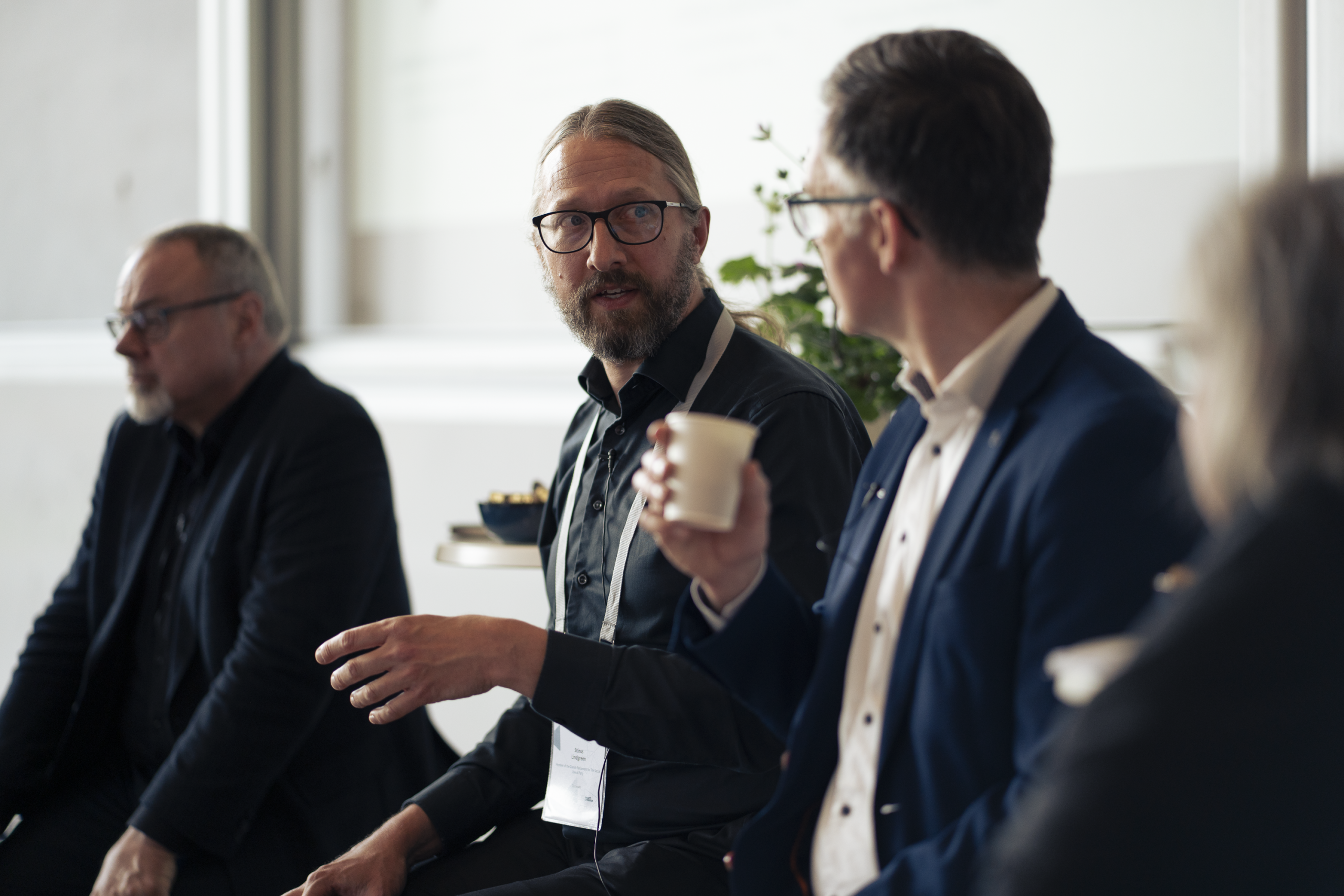
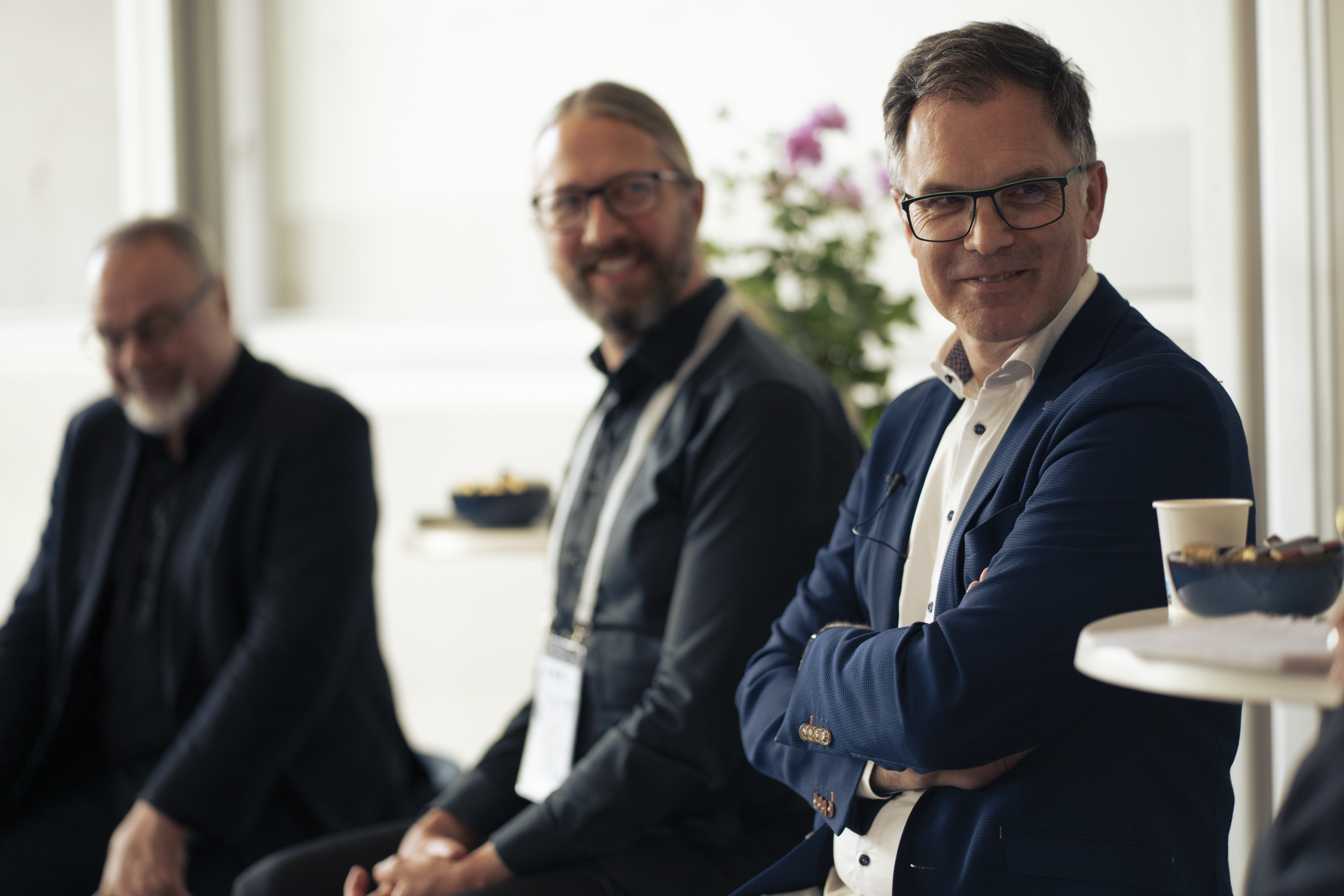
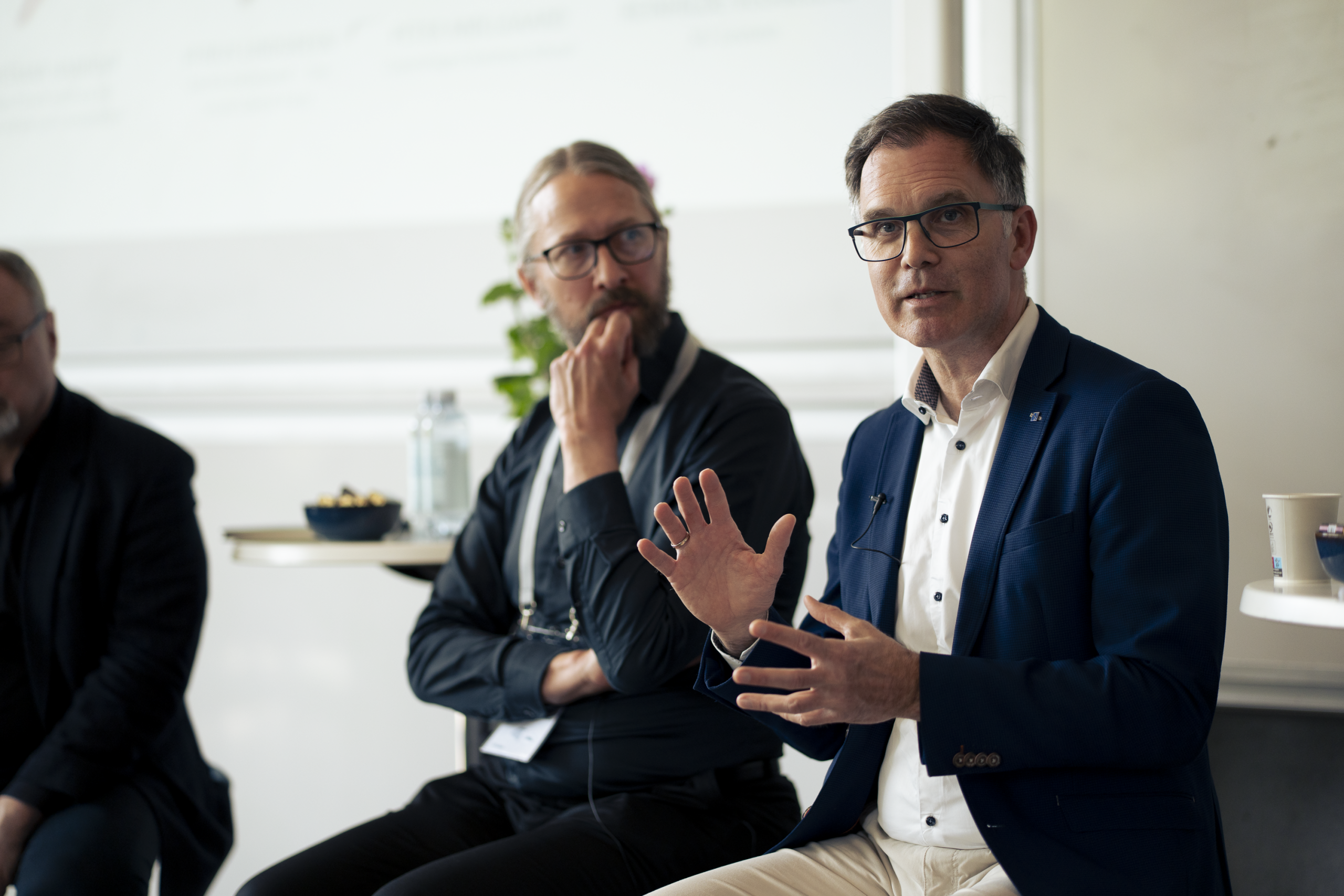
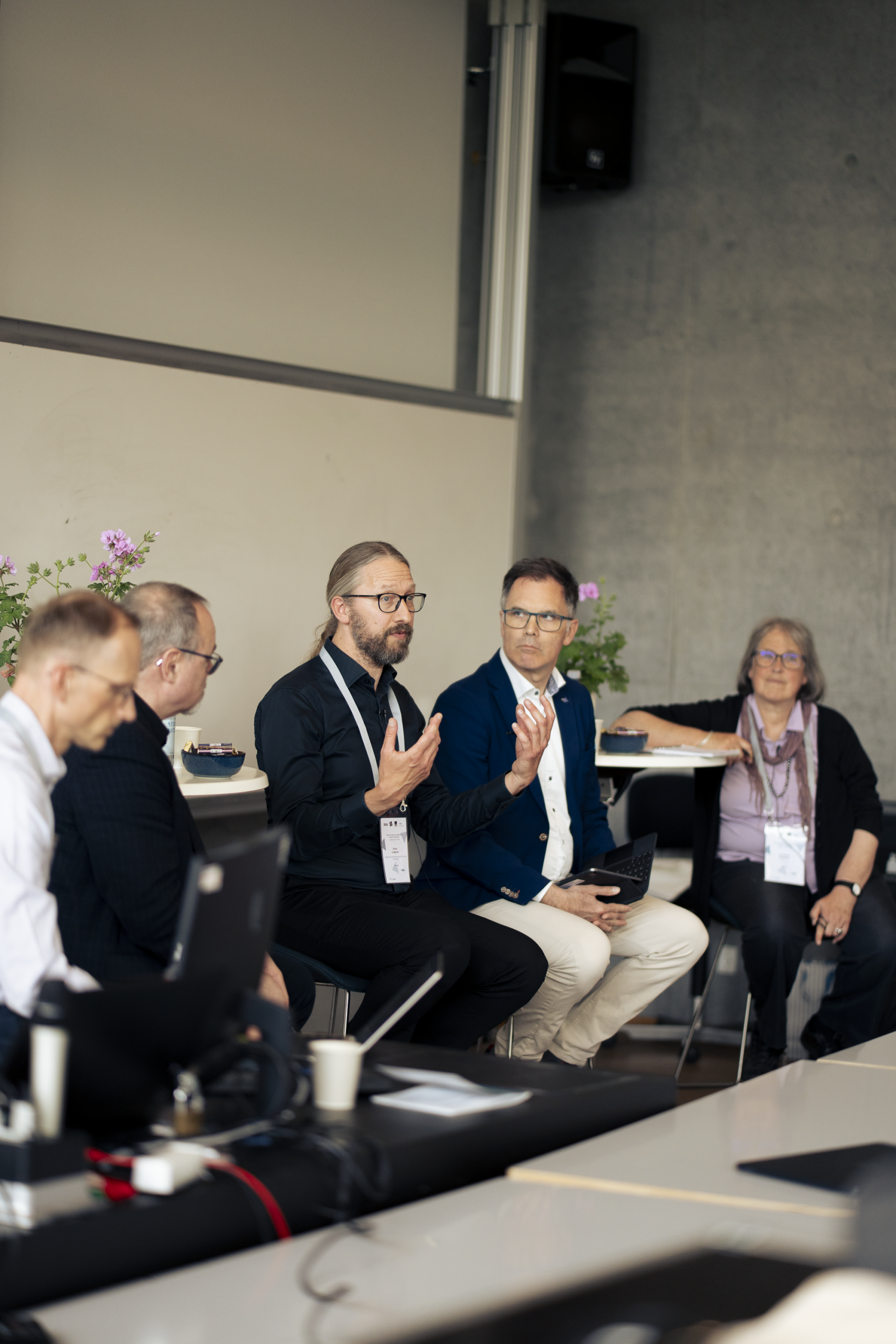
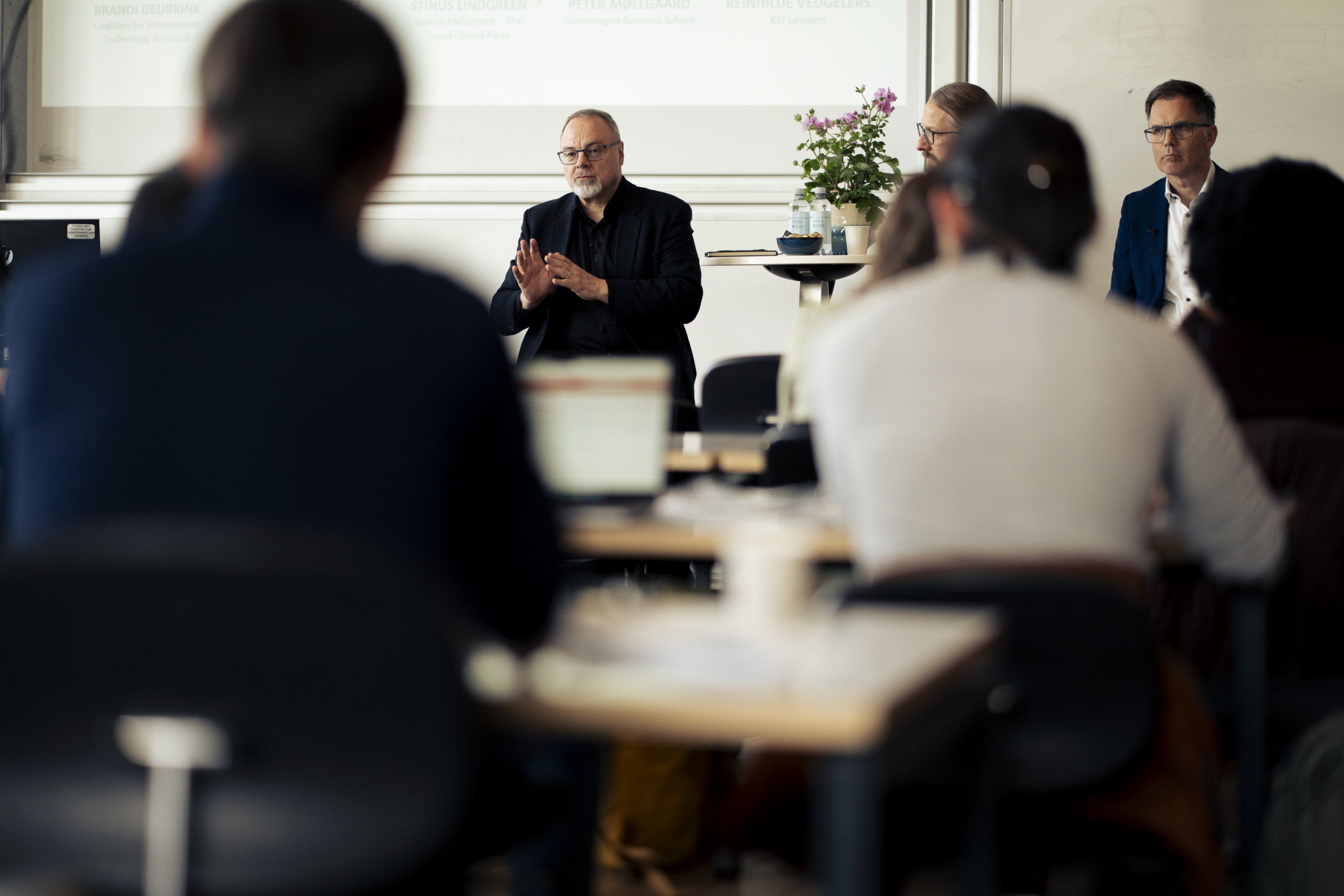
This tension sat at the heart of the OIS Research Conference debate on Science-Policy Relations: What is the role of openness and collaboration?, co-sponsored by the Academy of Management TIM Division. The panel brought together Dietmar Harhoff (Max Planck Institute for Innovation and Competition), Stinus Lindgreen (Member of the Danish Parliament), Peter Møllgaard (President of Copenhagen Business School), and Reinhilde Veugelers (KU Leuven). The debate was moderated by Henry Sauermann (ESMT Berlin).
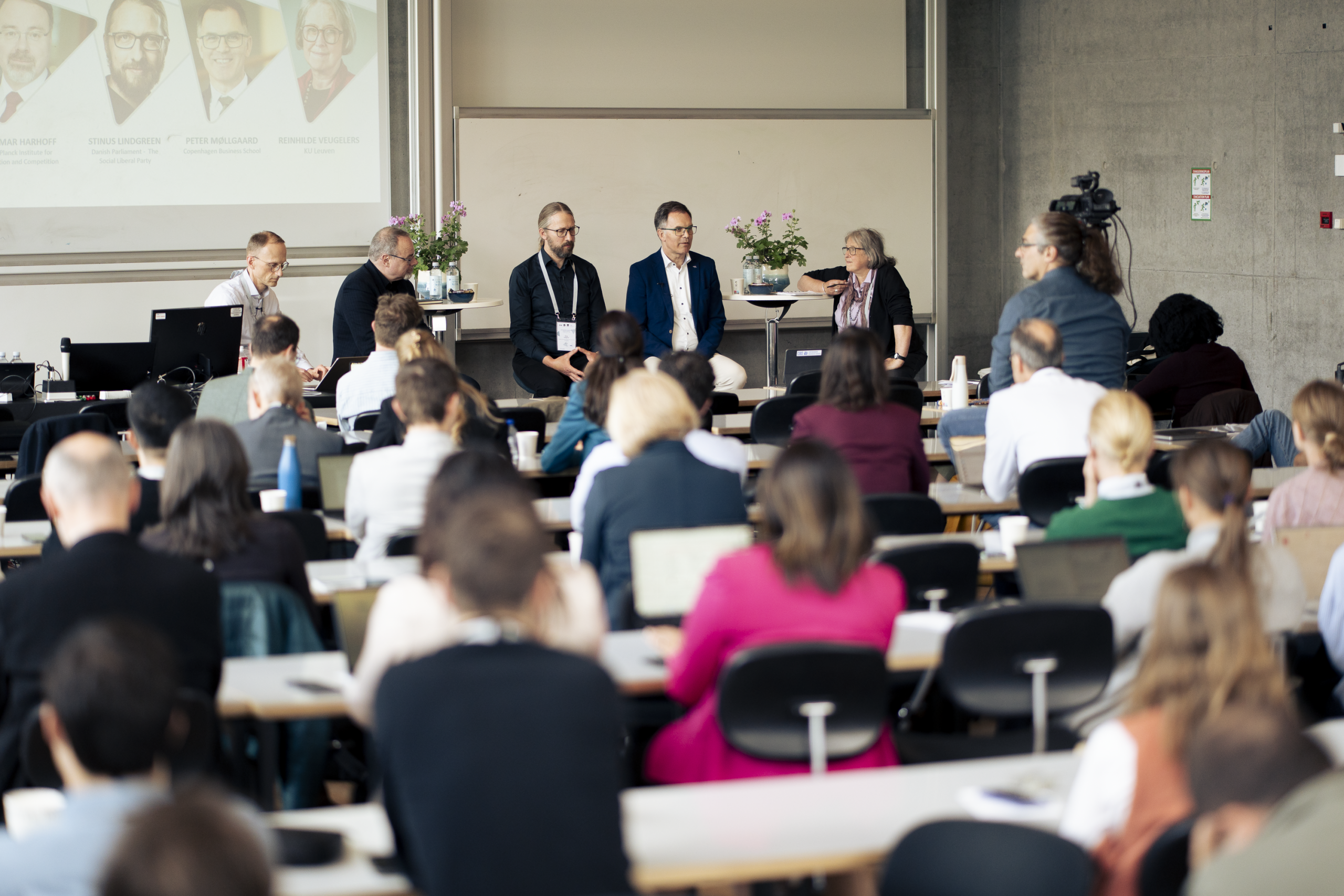
The question on the table was: what is the role of openness and collaboration in science-policy relations? In many ways, the theme of the session was illustrated before the debate even began. One of the planned panelists, Brandi Geurkink, was unable to attend because she was in court challenging actions by the US administration affecting immigrant scientists and researchers. Her absence became an immediate reminder that questions surrounding openness, scientific freedom, and science-policy relations are no longer abstract governance issues, but increasingly live political and geopolitical tensions. Although the debate began as a discussion about science advice, it quickly evolved into something broader: whether the institutions and norms underpinning science-policy interaction are still fit for purpose in a world increasingly shaped by polycrisis, techno-nationalism, strategic competition, and declining trust in institutions.
The old assumptions no longer hold
Peter Møllgaard framed this challenge directly. Universities and policymakers, he argued, are no longer operating in the relatively stable environment for which many of today’s institutional structures and incentive systems were designed. Instead, they face an interconnected “polycrisis” involving climate change, biodiversity loss, geopolitical instability, technological competition, and misinformation – all interacting simultaneously. Under such conditions, both scientific institutions and policy systems struggle to balance speed, openness, legitimacy, and societal responsiveness.
Reinhilde Veugelers echoed the diagnosis and placed the discussion in the context of the shift toward mission-oriented science directed at public goods like climate, biosecurity, and strategic resilience. But, she argued, the science system still struggles to become more directed and strategic without undermining the bottom-up, curiosity-driven research on which long-term breakthroughs depend. “We want to direct the science system more, but we should not direct too much,” she noted.
Dietmar Harhoff pushed the argument further by suggesting that many policy and innovation systems have become deeply routinized and incremental in their thinking, even as societies face challenges that increasingly require more radical forms of experimentation. Traditional advisory structures, he argued, often work reasonably well in stable environments, but become less effective when technological and economic paradigms are shifting. In such situations, more co-created approaches to science policy interactions – as explored in the OIS Experiment – are required. Governments may need organizations specifically designed to challenge routines and support more radical experimentation, similar to DARPA-style agencies.
Stinus Lindgreen approached the issue from a different angle, emphasizing the distinction between scientific facts and political choices. Science cannot determine what societies should value politically, he argued, but is essential for clarifying the likely consequences of different policy choices. Reflecting on COVID-19, he further stressed that openness about uncertainty became crucial for maintaining legitimacy and public trust during the crisis. Science advice, in this view, is about enabling more informed democratic decision-making.
Two logics in collision?
The debate repeatedly returned to a collision between two fundamentally different logics. One sees science as an open, international, collaborative system aimed at advancing collective knowledge and societal welfare. The other increasingly treats science and technology as strategic national assets tied to competitiveness, resilience, and security.
Stinus Lindgreen made the collision vivid with a simple observation: Niels Bohr used to say that science was a vehicle for peace, because it required collaboration even with your enemies, and the International Space Station works only because Russians, Americans, Japanese, and Europeans are all on board — if one pulls out, it falls. Denmark cannot simply stop collaborating with China, he argued and stated that „We would be the ones losing.“
Reinhilde Veugelers argued that this tension is becoming particularly visible around AI, critical technologies, and strategic autonomy. Scientific and technological progress depends fundamentally on openness and international collaboration, especially in early-stage research. Yet governments simultaneously seek to secure technological advantages and reduce dependencies on geopolitical rivals. The challenge, she suggested, is therefore not simply choosing between openness and closure, but determining where in the innovation process openness should end and strategic appropriation should begin.
Can you be too open?
Mid-session, the moderator asked the panel whether there is such a thing as too much openness? Peter Møllgaard’s responded with a defence of peer review as a trust-building technology, which he stressed should not be sacrificed for speed or political responsiveness.
Dietmar Harhoff, however, pointed out that during crises, the traditional scientific system is often simply too slow. In such moments, governments rely heavily on alternative advisory structures – e.g. expert committees, national academies, internal scientific advisers – capable of producing sufficiently robust guidance under intense time pressure and uncertainty.
Stinus Lindgreen’s reflections on COVID-19 added an important nuance. Drawing on his experiences chairing the Danish Parliament’s Epidemics Committee, he argued that openness about uncertainty – including openly changing positions as evidence evolved – did not necessarily erode public trust in Denmark. If anything, under the right institutional conditions, transparency about uncertainty helped strengthen legitimacy and democratic accountability. But, as the panel noted, such openness depends heavily on pre-existing institutional trust, political culture, and scientific literacy.
Reinhilde Veugelers followed up with an observation that openness and collaboration are not objectives in themselves. They are instruments. „It’s not that we want to be open, it’s not that we want to collaborate — we care about this because we think it will help us, in the end, to reach the true objectives: to improve our knowledge in order to deal better with the challenges that society faces.“
Science, trust, and the problem of polarisation
Later in the debate, the question of what happens to the science-policy relationship when the policymakers on the other side of the table are not interested in evidence emerged. An audience member noted that during the Brexit debate, economists who argued against leaving were dismissed wholesale, not because their arguments were weak, but because they had received European funding, which was taken as definitive proof of bias.
Reinhilde Veugelers warned that scientists are increasingly perceived not as independent providers of evidence, but as part of broader political and institutional “establishments.” This creates risks not only for trust in expertise, but potentially for public support for scientific institutions themselves.
Peter Møllgaard argued that polarisation does not emerge from nowhere: it grows where a portion of the population has been excluded or ignored for long enough. „The way to keep it [i.e. public trust],“ he said, „is to actually listen to people who don’t agree with you.“ Dietmar Harhoff echoed this point, mentioning that there is good evidence that moderated dialogue between polarised camps can bring people closer. The solution is thus having more structured conversation across the divide.
Implications of the new struggle over scientific sovereignty
The final major theme was AI – not its impact on science itself, but its potential to reshape the science-policy interface. The panel discussed how AI may radically accelerate scientific discovery and improve the translation of research into policy-relevant insights. At the same time, however, AI also concentrates power in the hands of a small number of actors and introduces new dependencies around infrastructure, data, and platforms, on which the science system also depends. Several panelists questioned whether Europe can realistically maintain strategic autonomy if it becomes entirely dependent on US or Chinese AI ecosystems.
Despite differing perspectives, the panel repeatedly returned to one shared conclusion: openness and collaboration remain fundamental to scientific progress, even in a more fragmented and competitive world.
Perhaps that was ultimately the clearest takeaway from the session: the future of science–policy relations is unlikely to be defined by a simple choice between openness and closure, but by how scientific institutions, policy systems and governance models balance openness and collaboration with legitimate concerns around security, resilience, strategic competition, and societal trust in an increasingly contested geopolitical landscape.
The OIS Debate on Science-Policy Relations: What is the role of openness and collaboration? was held on May 12, 2026, at the OIS Research Conference at Copenhagen Business School, and was co-organised with the Technology and Innovation Management Division of the Academy of Management.


Contact
Please contact us for any questions or to be added to our conference mailing list, which will ensure that you receive the latest updates about the annual OIS Research Conference.