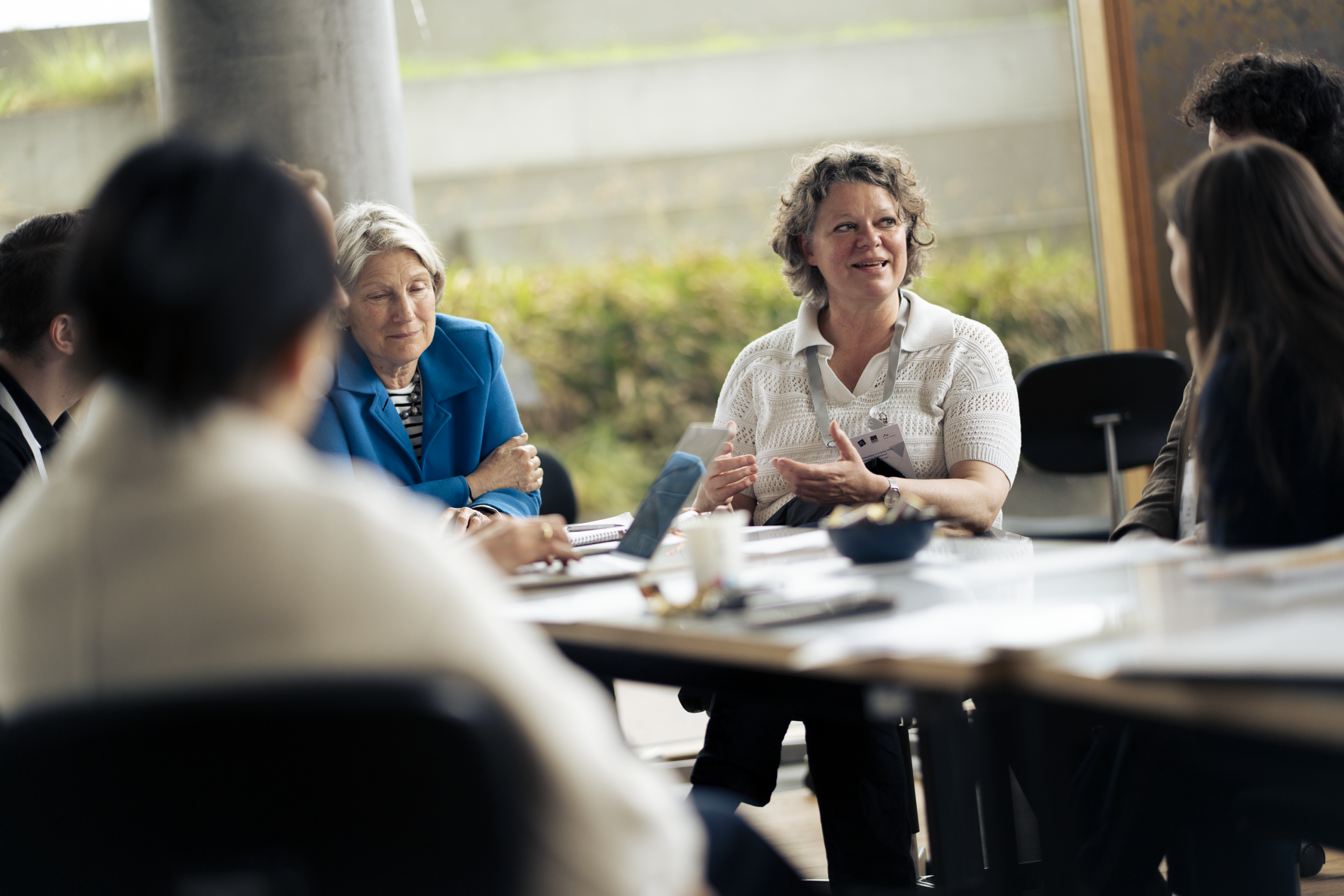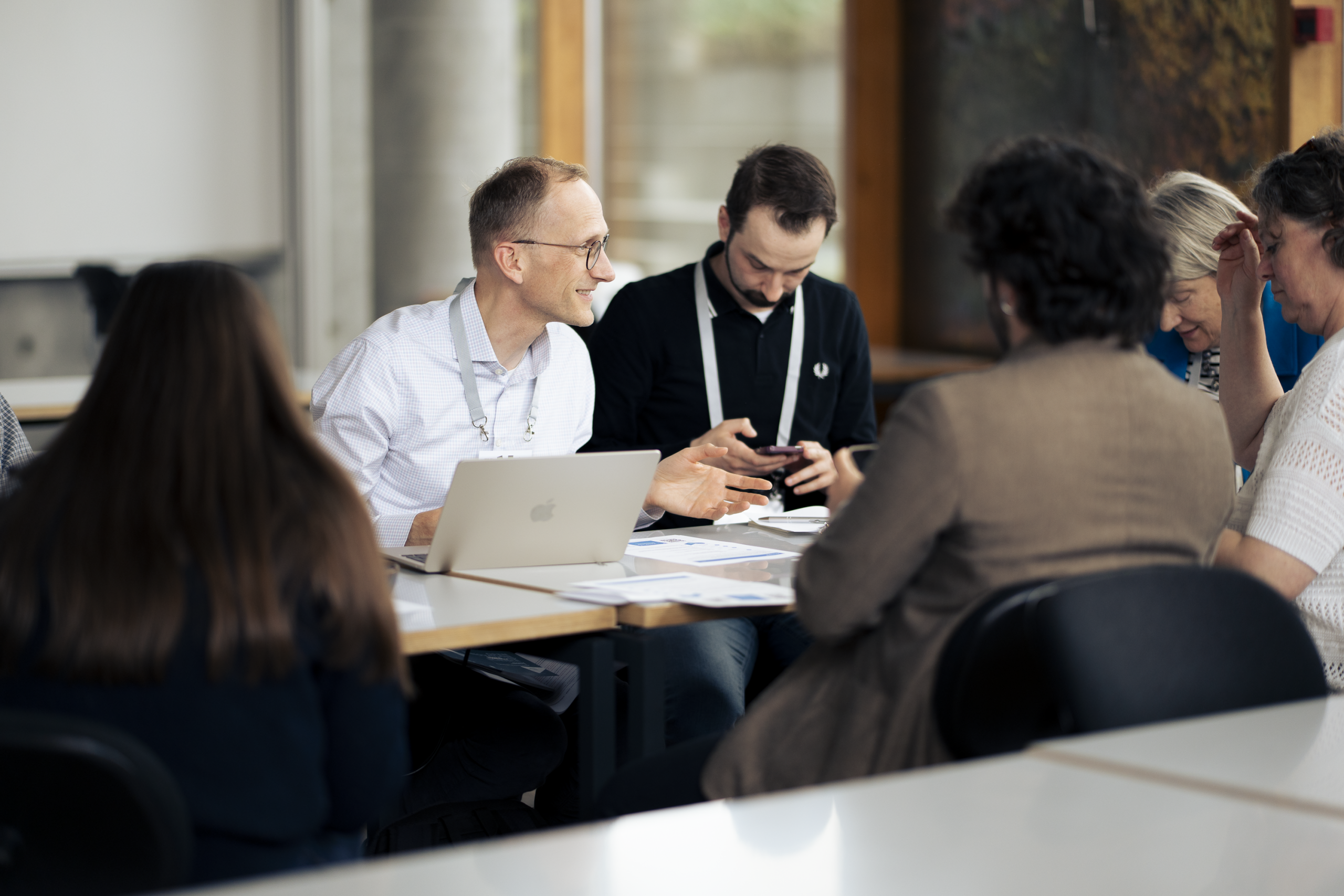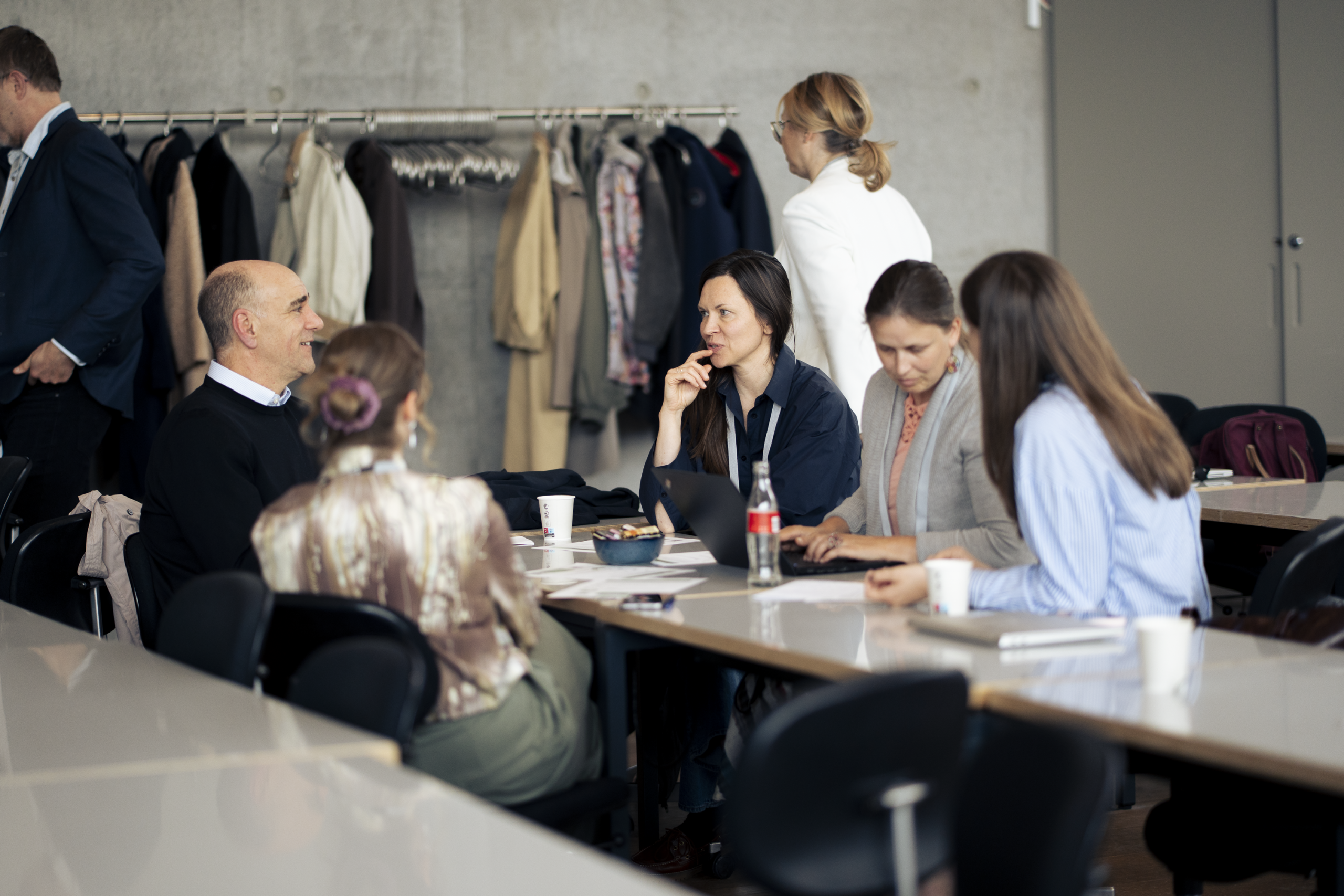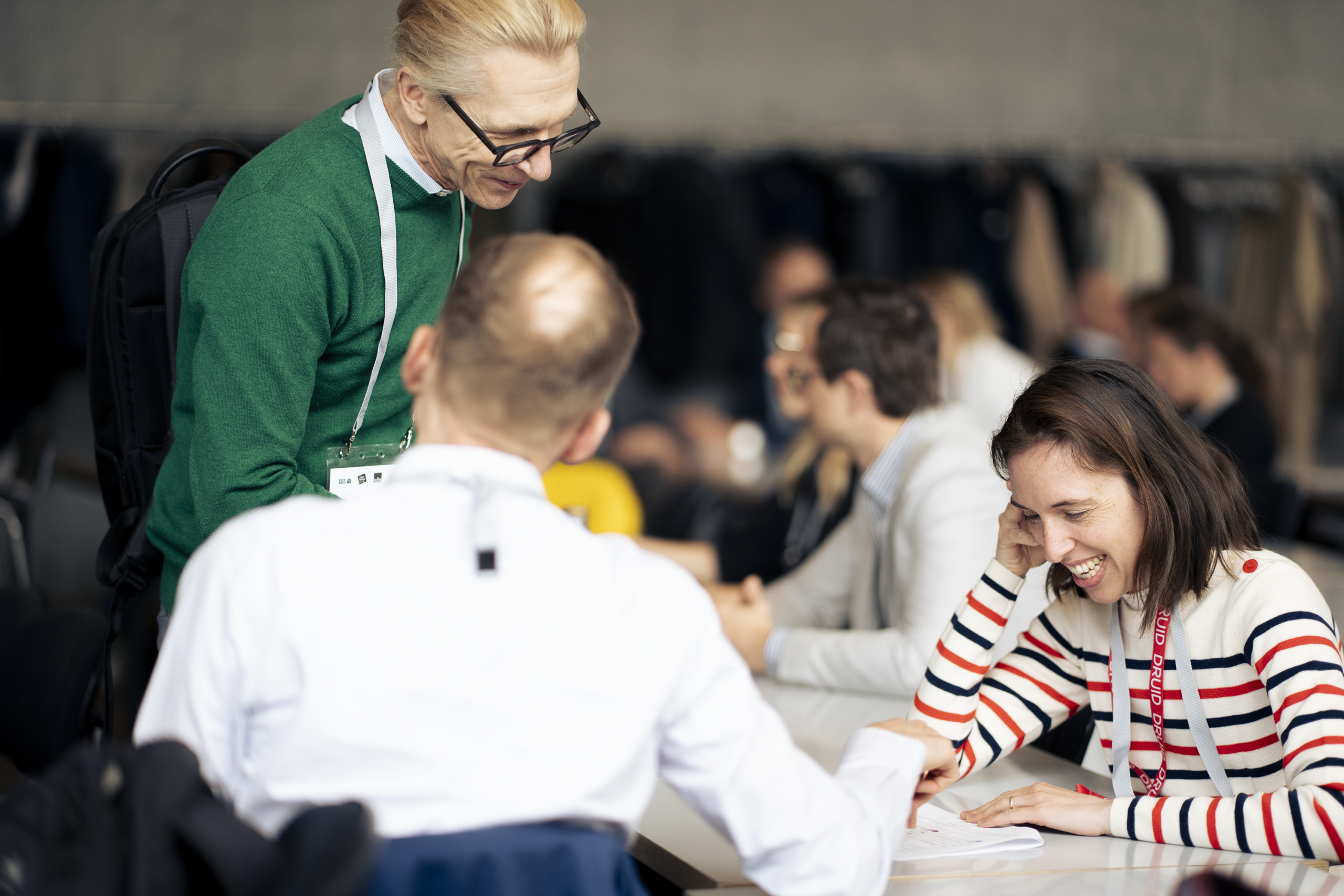
It is important to note upfront that while we took great care in designing the experiment, the insights reported below should of course be interpreted with considerable caution, given the small sample sizes, the exploratory nature of the exercise, and the inevitable “noise” of a live conference experiment. First and foremost, the purpose of the OIS Experiment was to provide conference participants with an opportunity to engage in in-depth and, hopefully, lasting reflection on different forms of science–policy interaction in an engaging and interactive way.
The Experimental Set-Up
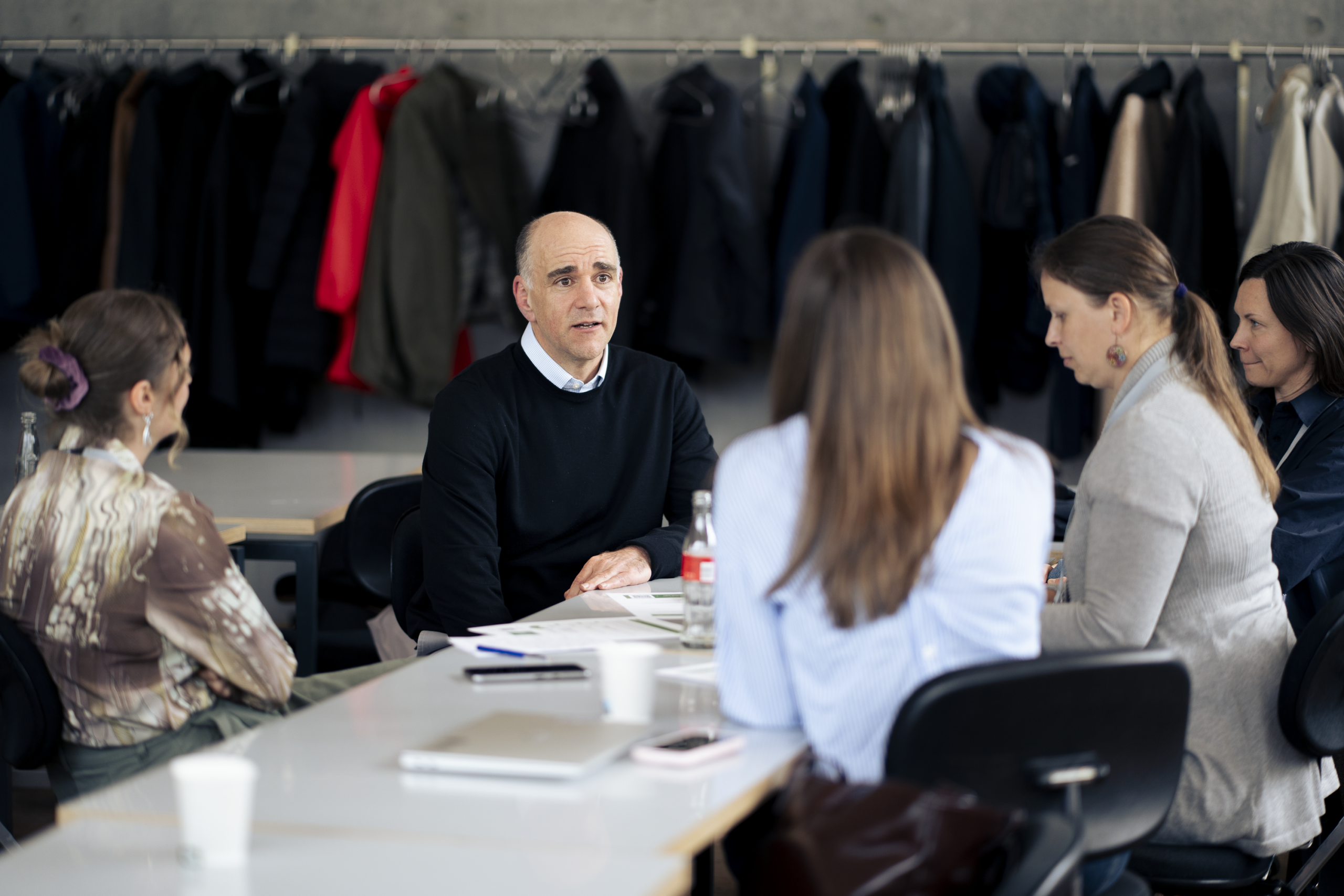
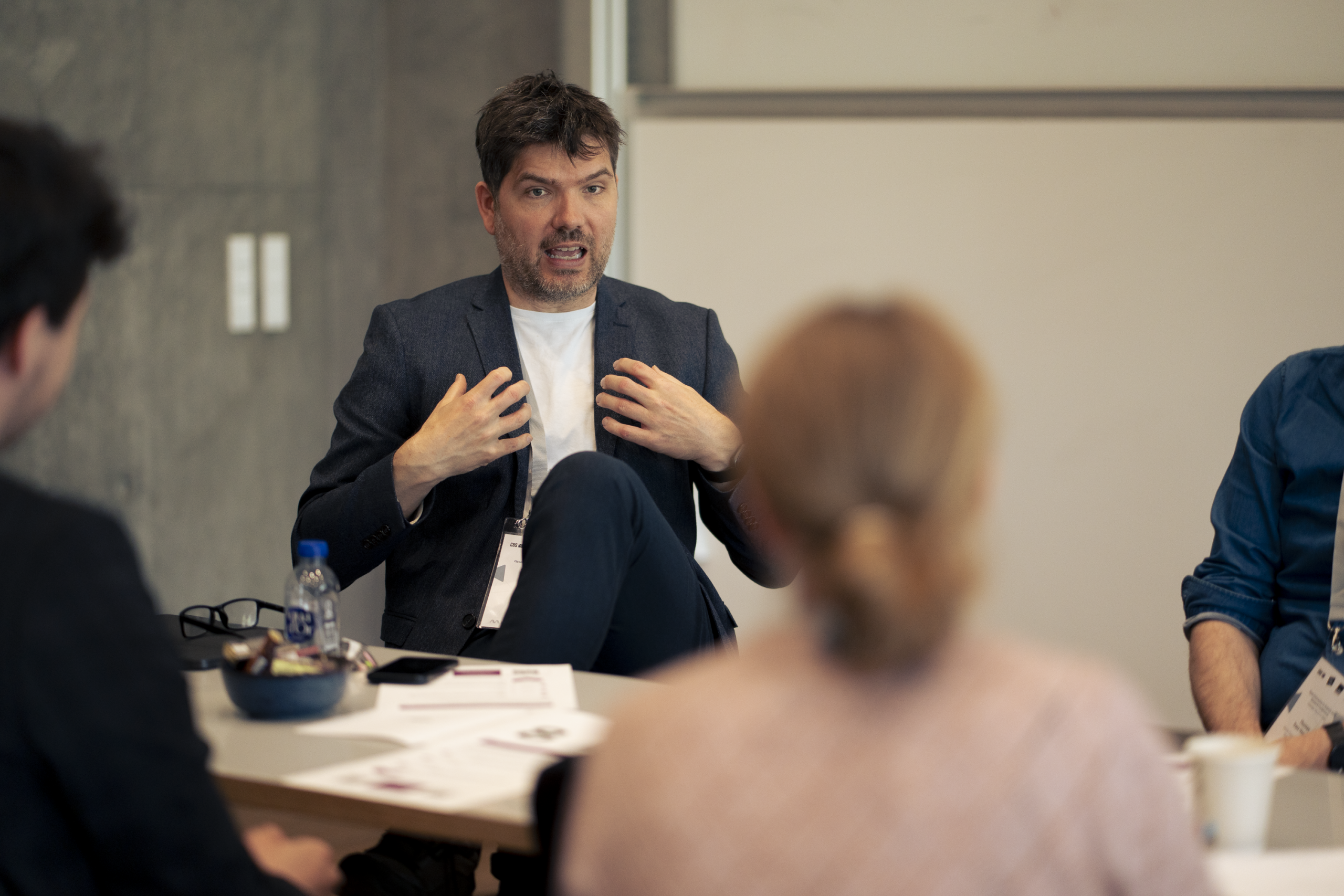
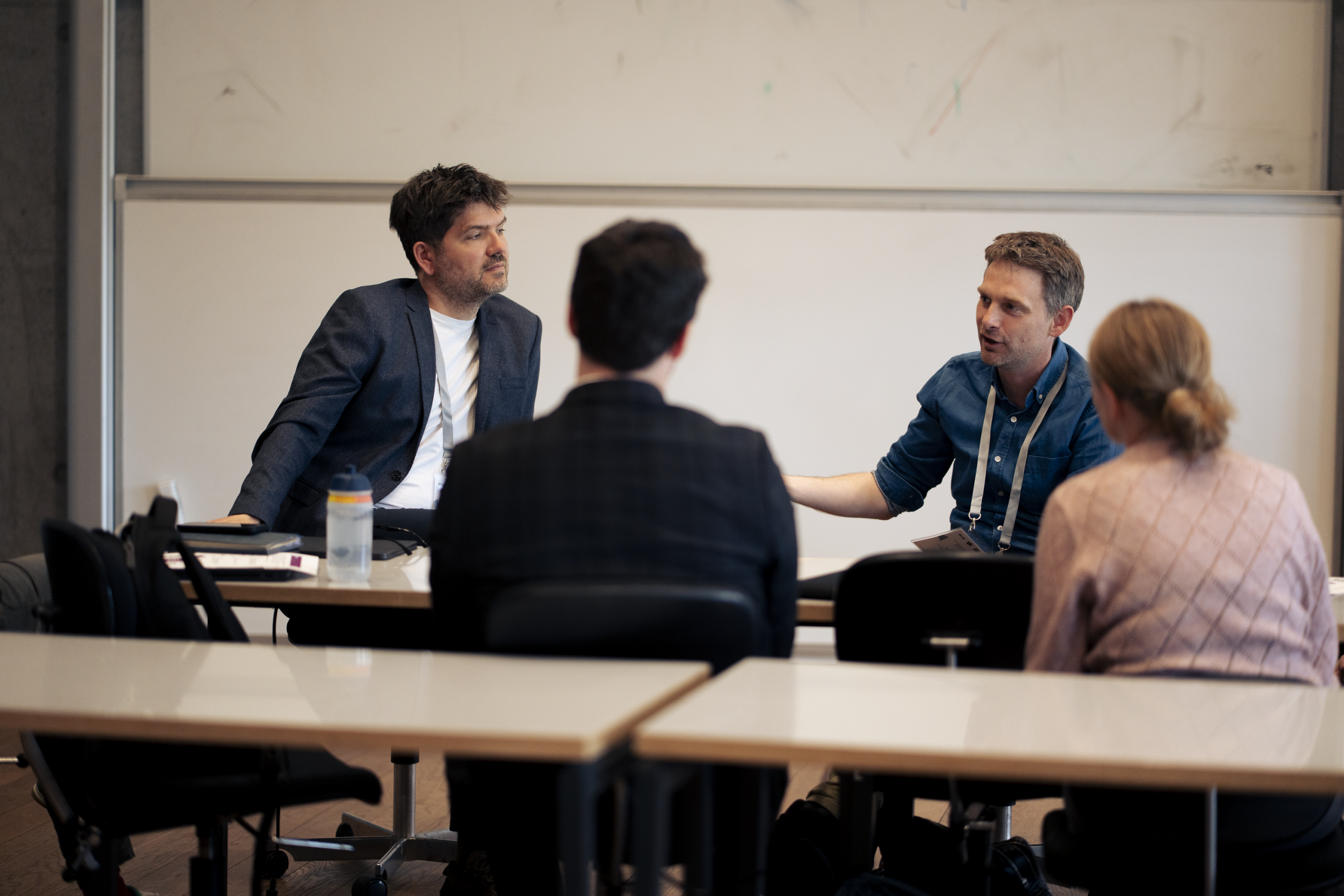
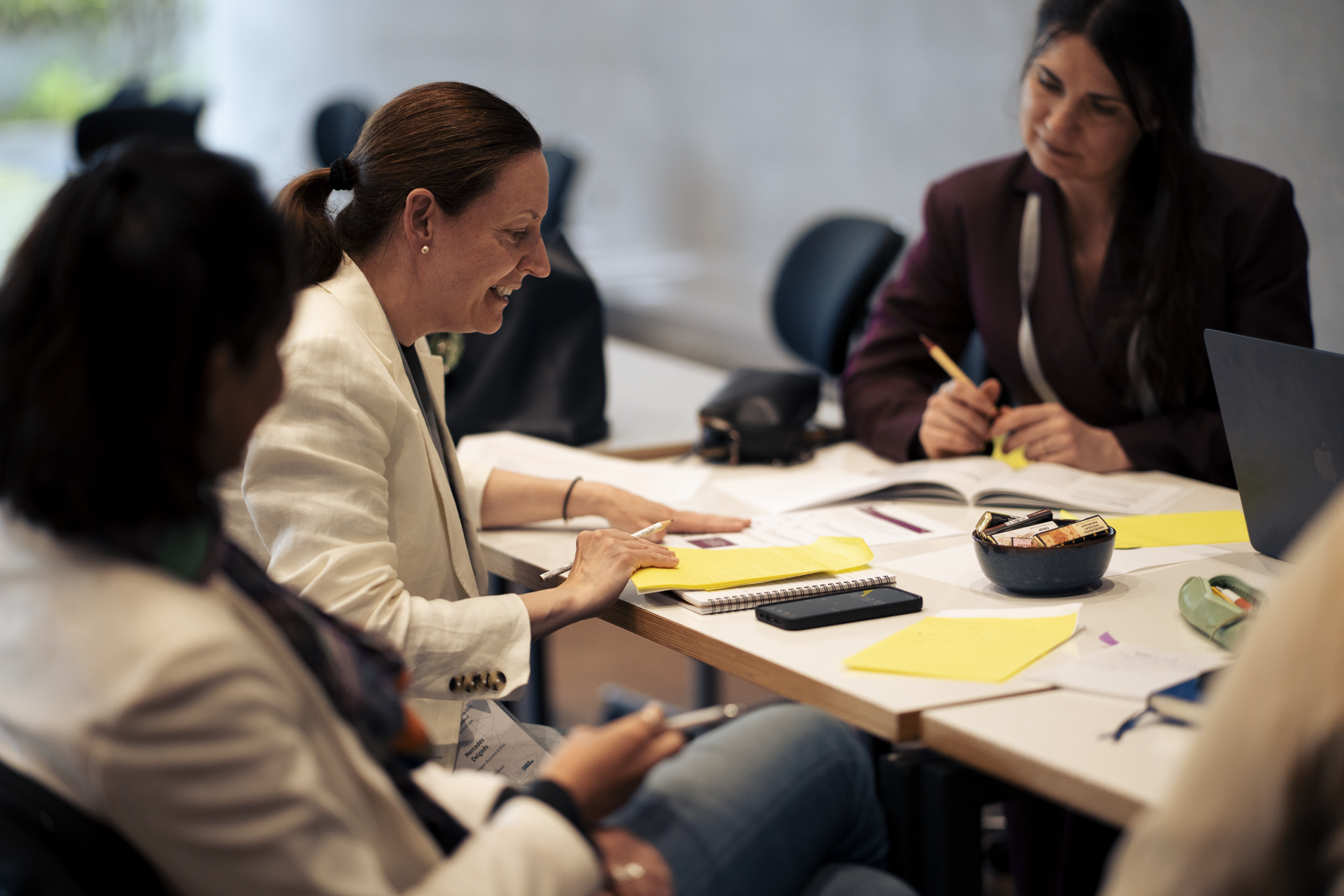
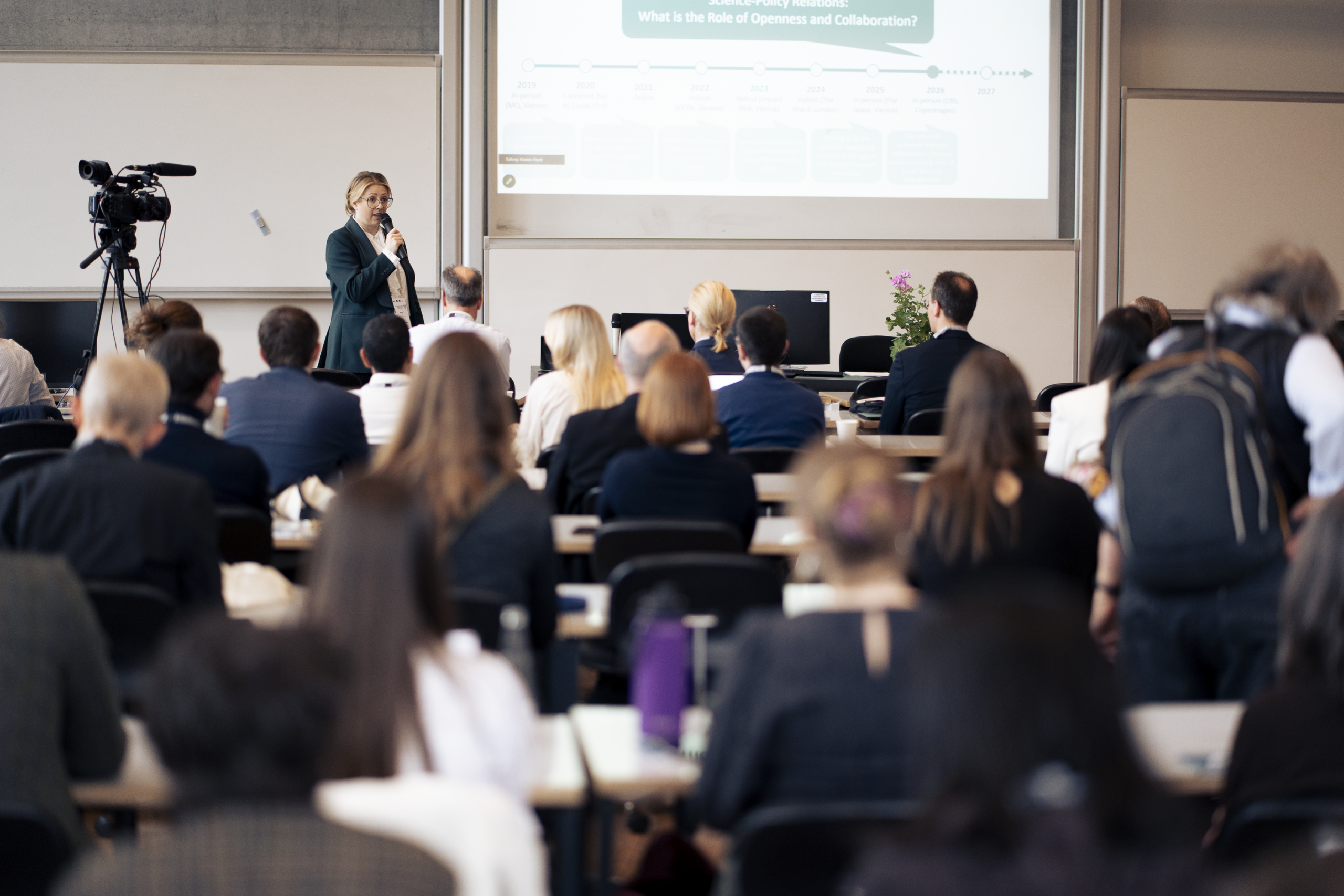
The experiment brought together approximately 80 conference participants and a group of senior Danish policy professionals to collaboratively develop ideas for concrete policy interventions that could realistically increase the societal impact of research in Denmark within the next 2–5 years. The conference participants primarily included researchers in management and organization of science and innovation, and in research policy, but also researchers and research managers from the natural sciences.
Participants were randomly assigned to one of three experimental conditions (see Figure 1):
- Science Advice Mode
Researchers provided insights on “what research shows” and answered questions from policy professionals to enable the policy professionals to derive an intervention idea in a relatively low-interaction setting. - Co-Creation Mode
Researchers and policy professionals jointly framed problems and collaboratively developed policy intervention ideas in a highly interactive setting. - Control (No Interaction)
Researchers developed policy intervention ideas without interacting with policy professionals. Policy professionals later assessed the written intervention ideas independently.
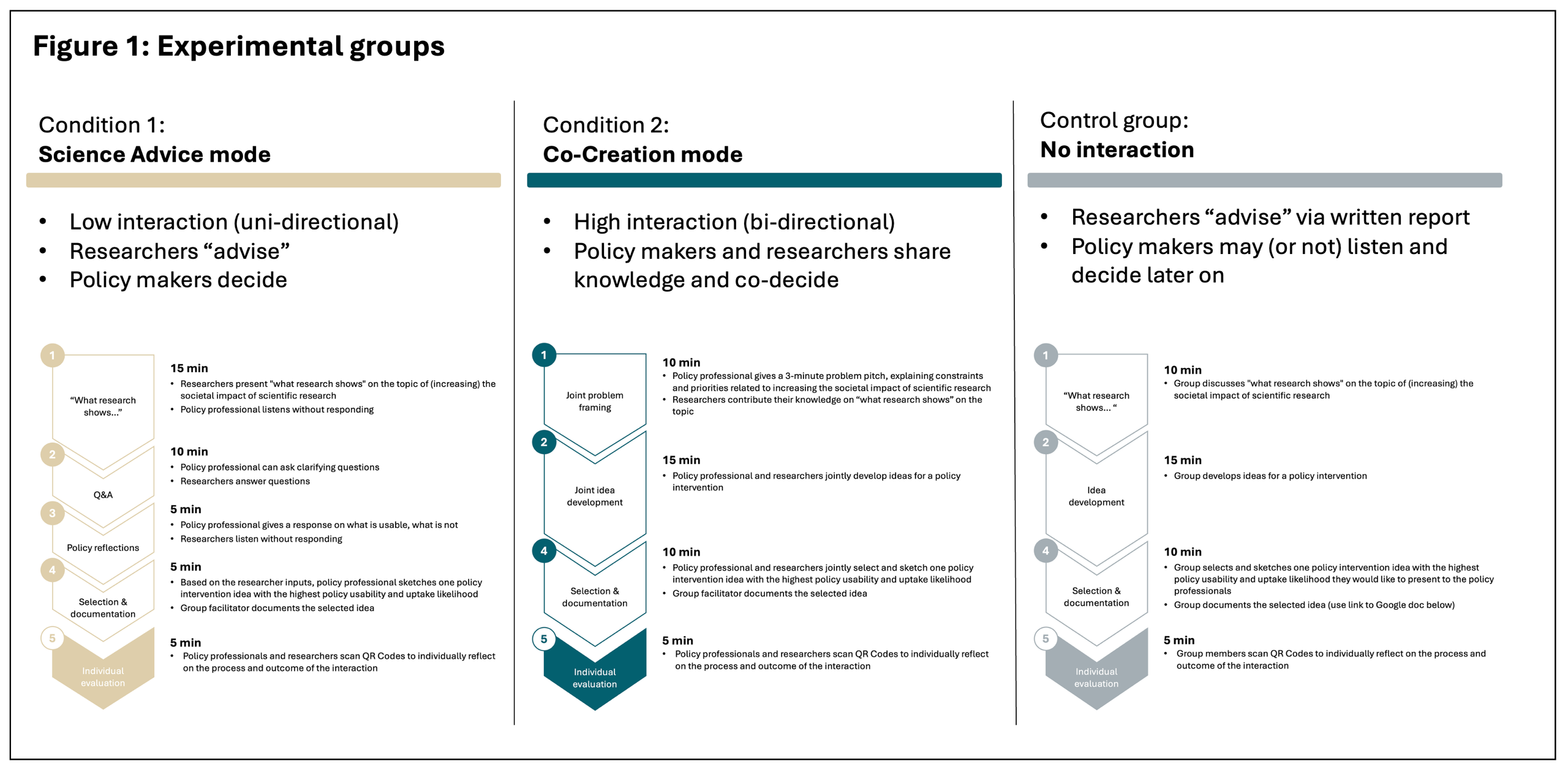
After an introductory briefing, eleven groups of five to seven researchers worked for approximately 40 minutes, each supported by a process facilitator. Four groups were in condition 1, five groups in condition 2, and two groups in condition 3. The experiment generated three forms of output:
- qualitative documentation of the policy intervention ideas by the group facilitators,
- researchers’ and policy professionals’ assessments of process and outcomes via a mini-survey with closed questions on the usability, uptake likelihood, process value and engagement level, and an open-ended question on what made the outcomes of the group work process more or less valuable, and
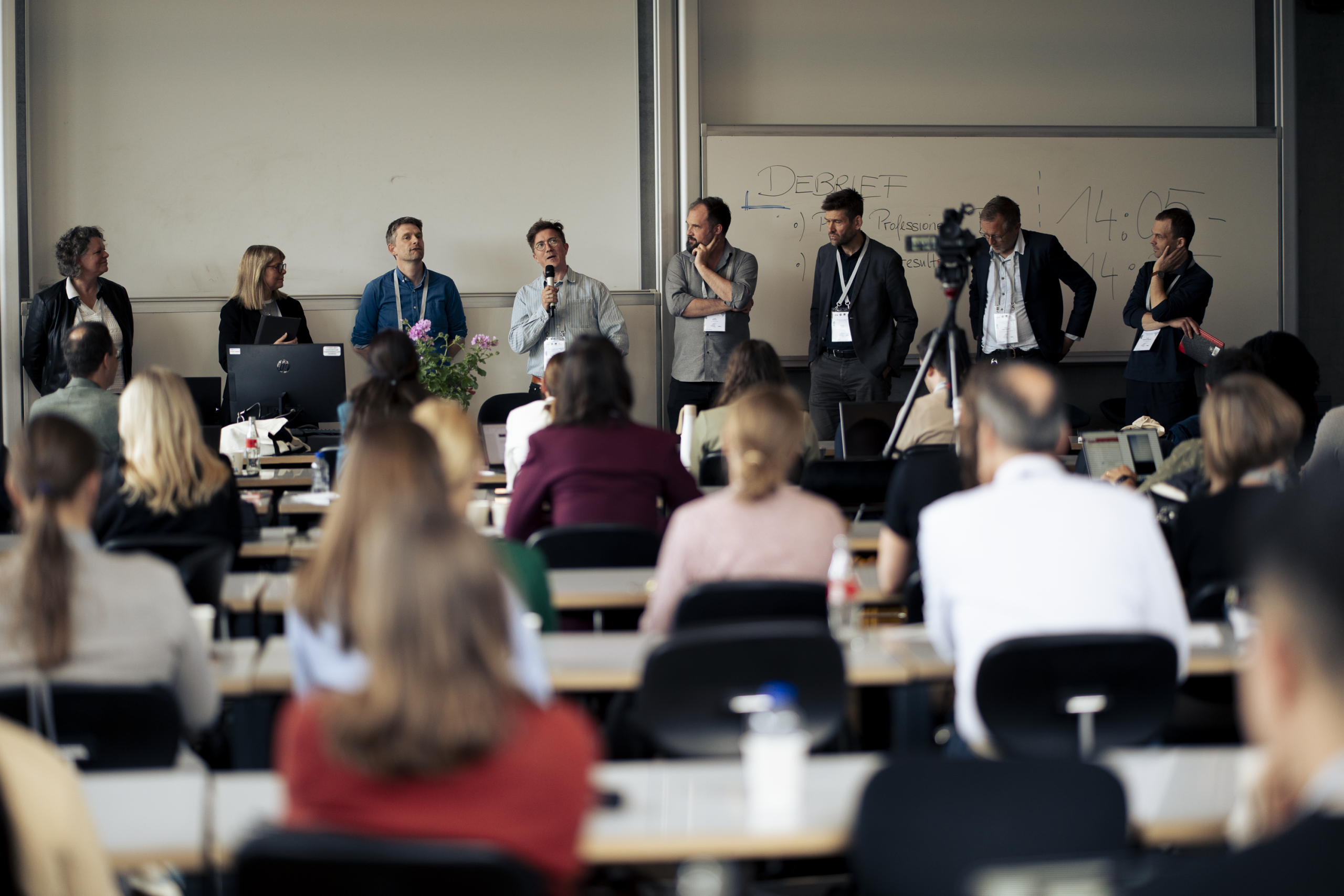
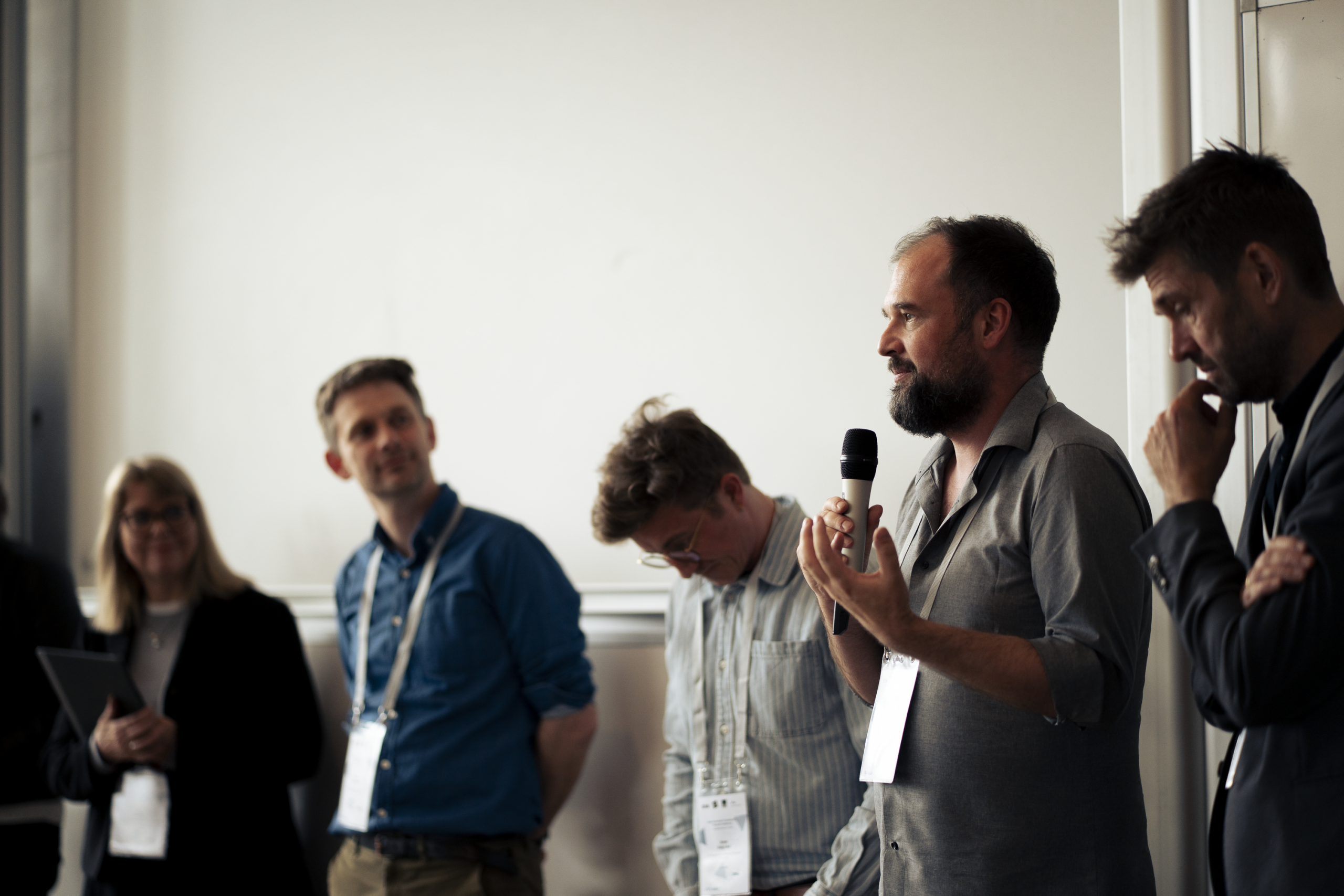
- qualitative insights from a reflection panel after the group work involving the policy professionals.
The Policy Professionals
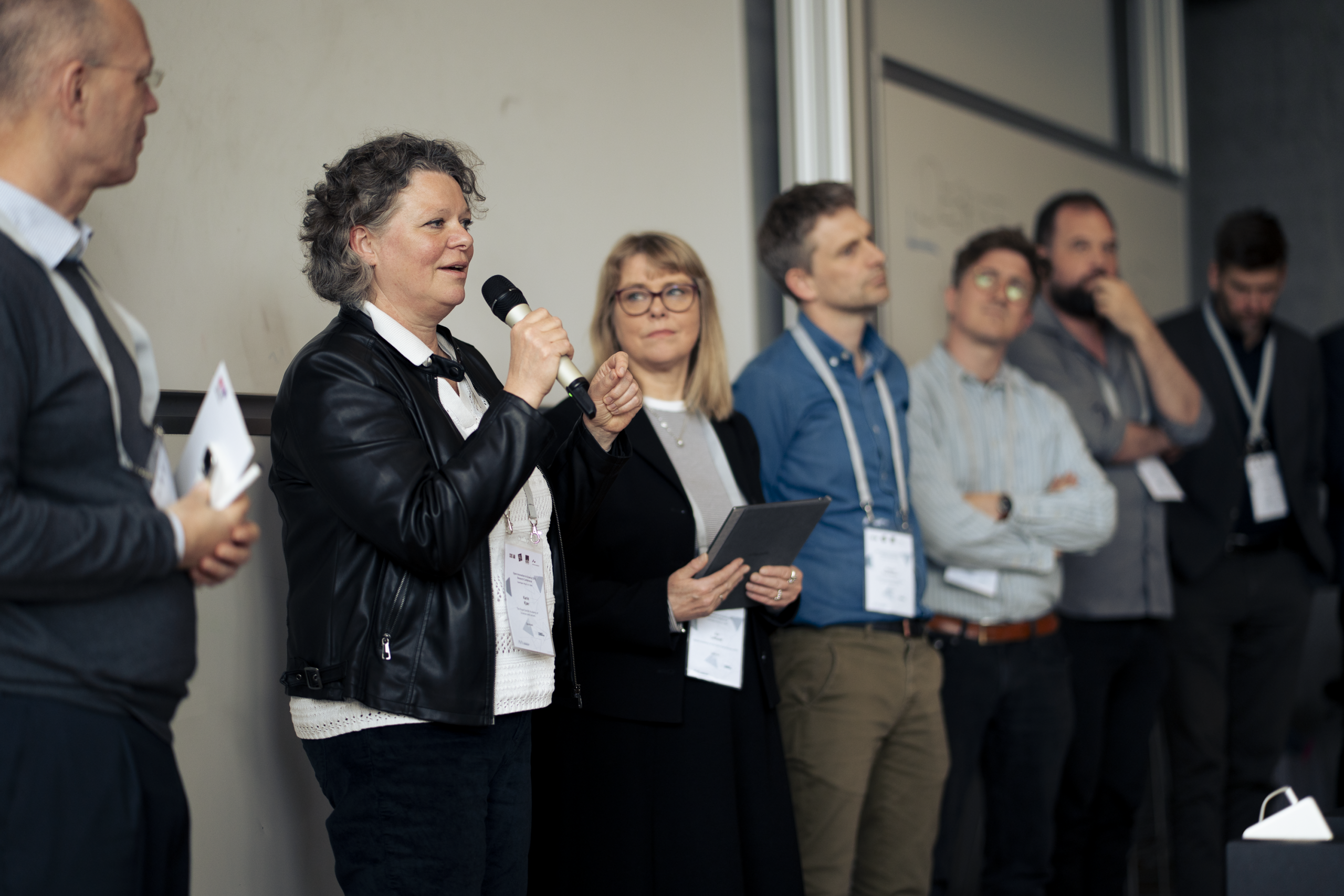
We are deeply grateful to the policy professionals who generously contributed their time, expertise, and reflections to the experiment:
- Thomas Trøst Hansen, Head of Secretariat, Danish Council for Research and Innovation Policy (DFIR)
- Anders Hoff, Head of Research and Innovation Policy, The Danish Association of the Pharmaceutical Industry (Lif)
- René Flege Højmark, Chief Consultant, IDA – The Danish Society of Engineers
- Karin Kjær, Head of Secretariat, The Royal Danish Academy of Sciences and Letters
- Lia Leffland, Managing Director, Danish Academy of the Technical Sciences (ATV)
- Jonas Krog Lind, Head of Policy and Analysis, The Royal Danish Academy of Sciences and Letters
- Lasse Nielsen, Senior Economist, The Think Tank DEA
- Jonas Langeland Pedersen, Senior Consultant, Universities Denmark
- Nikolaj Helm Petersen, Senior Consultant, The Think Tank DEA.
Their openness, engagement, and willingness to experiment with different forms of science–policy interaction made the session both intellectually rich and practically insightful.
What Kinds of Policy Interventions Emerged?
The 11 groups developed a remarkably diverse set of intervention ideas aimed at strengthening the societal impact of research. Their proposals included:
- expert advisory structures embedded in municipalities and ministries,
- parliamentary science advice mechanisms,
- “living labs” connecting scientists, citizens, local policymakers, and companies,
- strengthened university-based innovation hubs,
- science dissemination and trust-building initiatives,
- new academia–industry collaboration frameworks,
- public participation in research funding decisions,
- adaptive innovation consortia,
- researcher secondments into schools and municipalities,
- new models for impact assessment infrastructure,
- and brokerage mechanisms connecting academia with external stakeholders.
Despite the diversity of proposed interventions, several common themes emerged across the groups, including for example the importance of trust in science, translation and brokerage between research and policy worlds, and stakeholder inclusion, as well as the need for more sustained institutional infrastructures for interaction and collaboration. Interestingly, many groups converged on the idea that increasing societal impact is less about isolated “impact activities” and more about building long-term relational and organizational capacities for collaboration – a finding that resonates strongly with the OIS field’s broader emphasis on openness and collaboration as means to increase the productivity and impact of scientific research, contingent on the respective boundary conditions and sustained, co-creative relationships between science and its users.
You can learn more about the ideas proposed by the groups HERE.
What Did Participants Think?
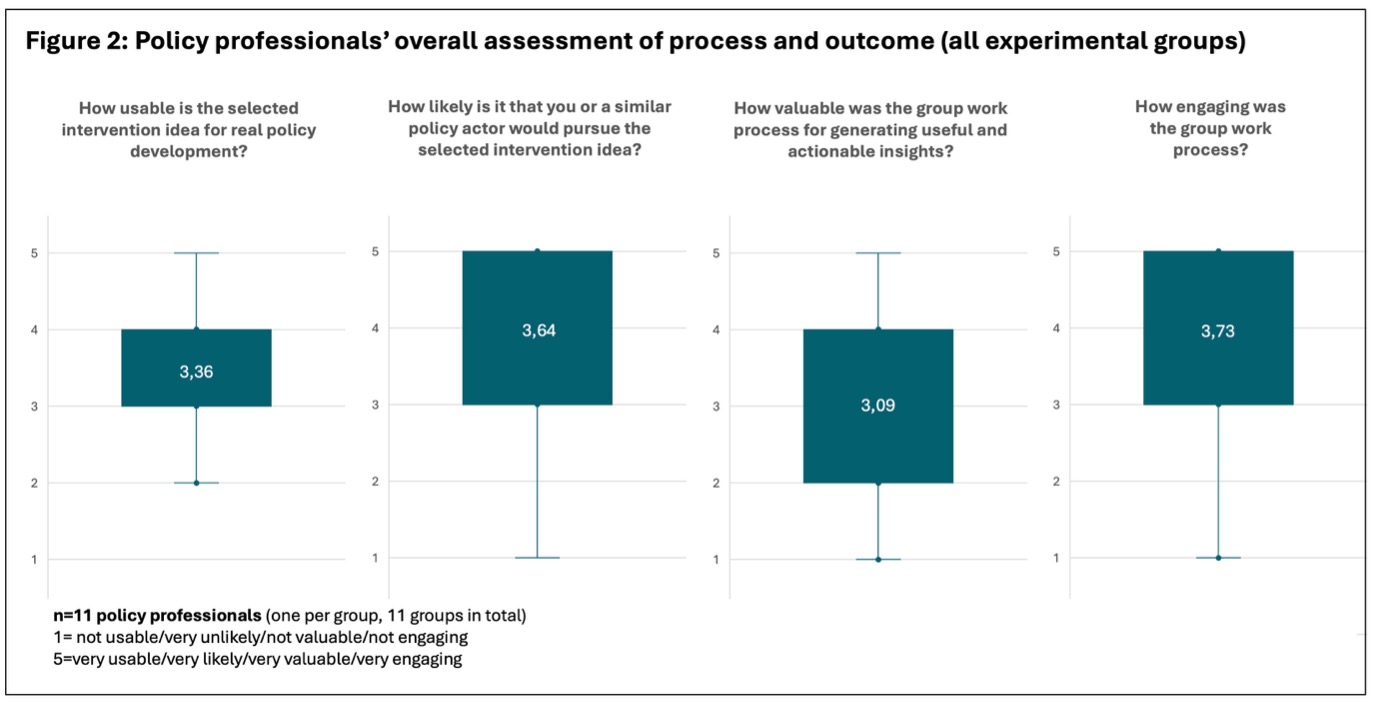
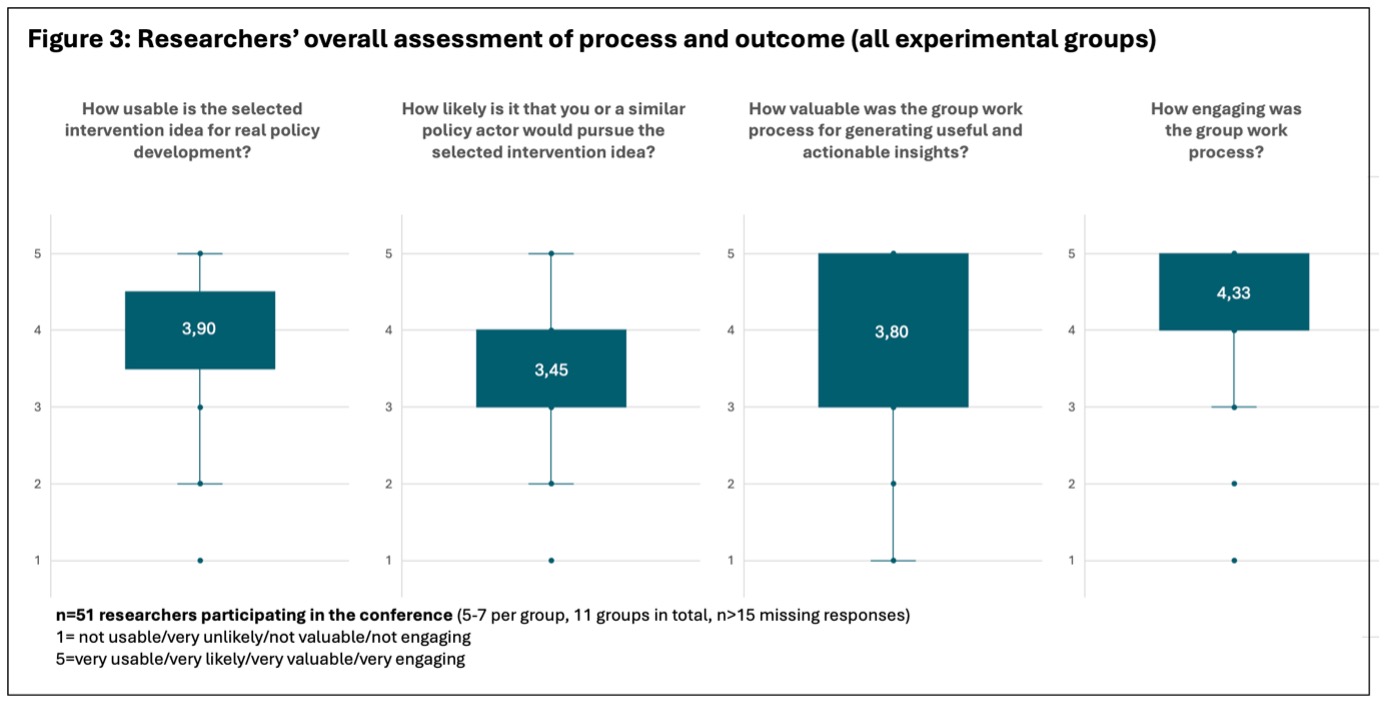
Overall, participants assessed the experiment positively, particularly with respect to engagement and the perceived value of cross-sector interaction. Across both researchers and policy professionals, average evaluations of the usability of the intervention ideas, the likelihood that they would be pursued in practice, and the value and engagement of the process were consistently above the midpoint of the scale (see Figures 2-3).
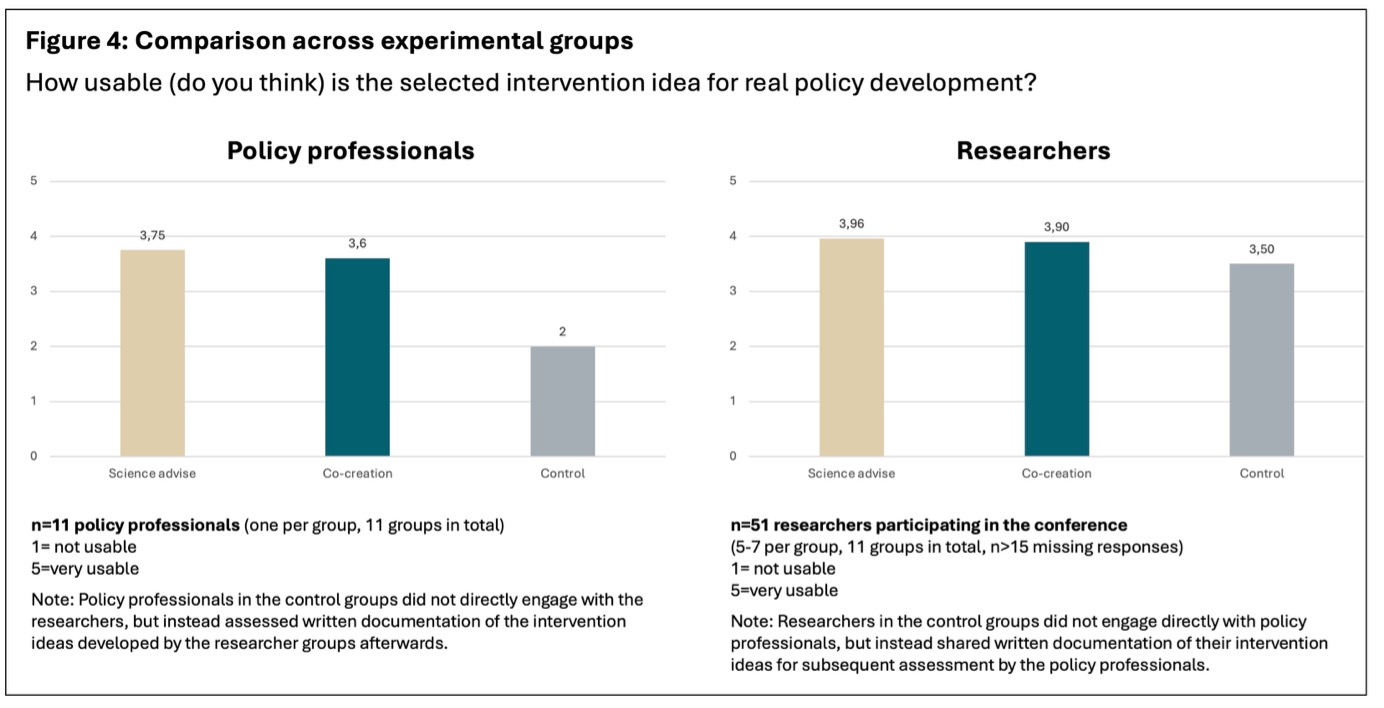
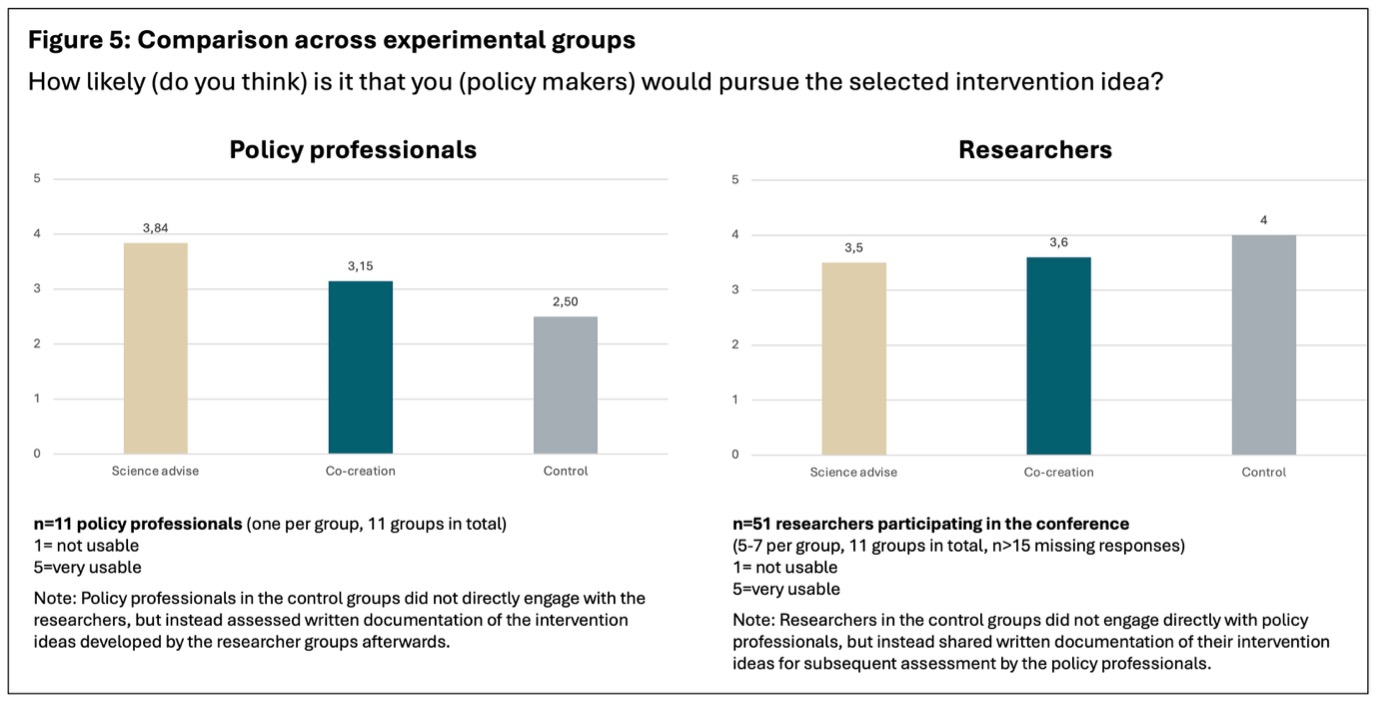
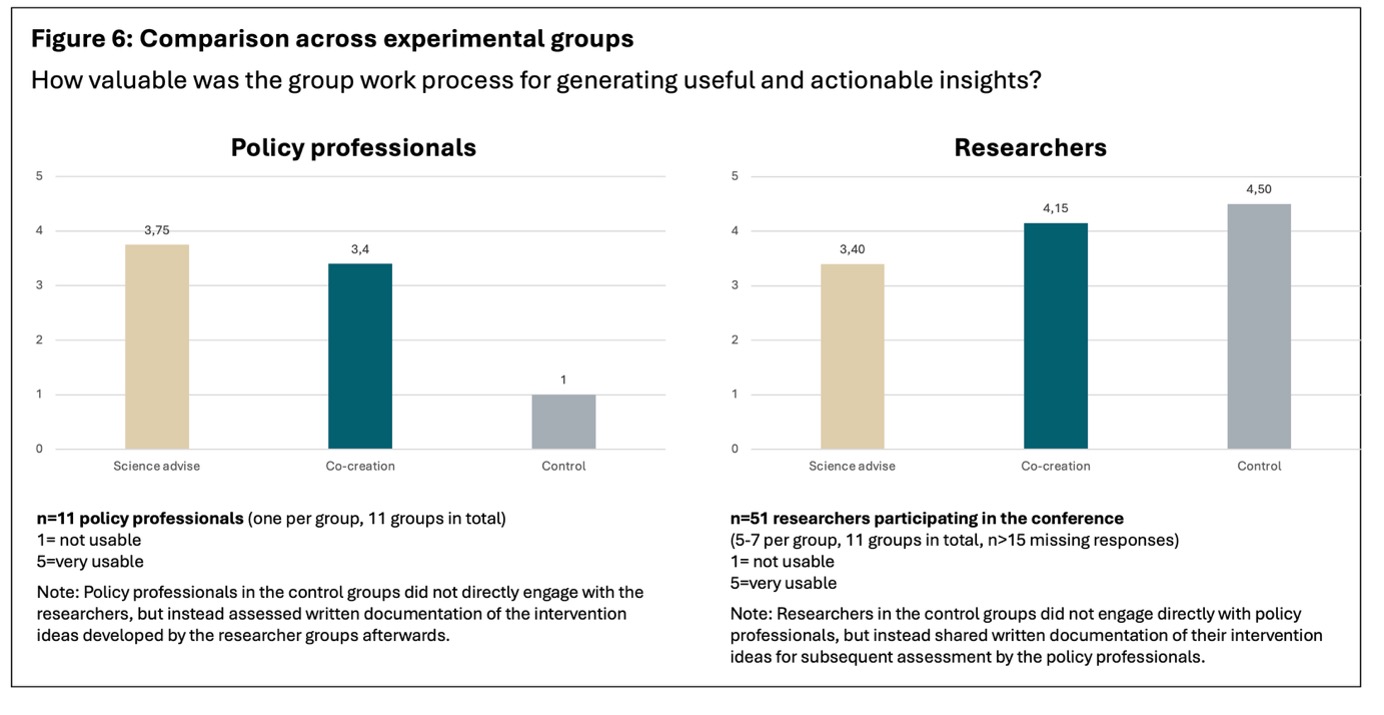
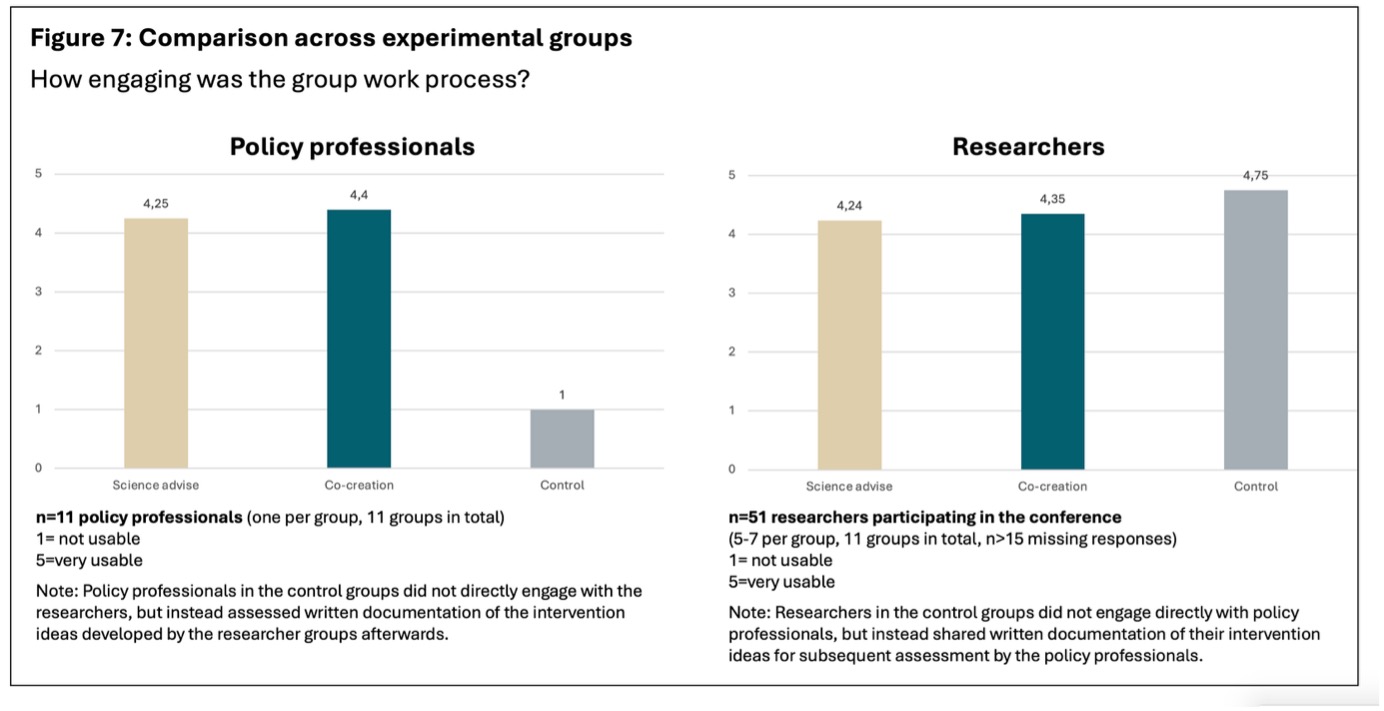
Looking more closely at differences across the four main evaluation dimensions, however, revealed several interesting patterns (see Figures 4-7).
For policy professionals, the treatment groups (science advice and co-creation) consistently outperformed the control group across all four assessment criteria. Compared to the control condition, policy professionals perceived the intervention ideas developed in the treatment groups as substantially more usable for real policy development and more likely to be pursued in practice. They also rated the collaborative process itself as considerably more valuable for generating actionable insights and far more engaging. Overall, the findings suggest that direct interaction with researchers strongly enhanced policy professionals’ perceptions of both the quality of the outcomes and the quality of the process.
For researchers, the pattern was somewhat different: they did not perceive the treatment conditions as clearly superior overall. In fact, for perceived policy uptake, process value, and engagement, the control condition was rated as highly as or even more positively than the treatment groups. Researchers who worked without direct interaction with policy professionals nevertheless evaluated the process itself quite positively, likely reflecting the freedom and efficiency of researcher-only brainstorming. At the same time, however, several participants pointed to limitations stemming from the absence of direct policy feedback and real-time reality checks. In line with this, policy professionals evaluating the control-group outputs afterwards rated the usability and uptake likelihood of these ideas considerably lower, while simultaneously emphasizing the limitations of assessing ideas without having participated in the underlying discussions and sensemaking process.
While differences between the two treatment groups themselves are small and should be interpreted with considerable caution given the live-experiment setting, some tentative patterns nevertheless emerged. Policy professionals appeared to see slightly greater value and uptake potential in ideas generated in the science advice groups, whereas researchers perceived somewhat greater potential in the co-creation groups. Regarding the process itself, the co-creation condition appeared to generate particularly strong evaluations of the collaborative experience. Researchers in co-creation groups rated the process as highly engaging and especially valuable for generating useful and actionable insights. Qualitative feedback suggests that the joint problem-framing phase was a key driver: participants repeatedly emphasized that open-ended discussion to clarify what problem was actually being addressed produced more useful outputs than moving directly to solutions.
 Looking into the qualitative assessment in more detail revealed several additional patterns across experimental groups and participant types.
A first theme was the importance of diversity and complementarity of perspectives. Both researchers and policy professionals emphasized that bringing together participants with different disciplinary backgrounds, experiences, and institutional viewpoints enriched both problem framing and idea generation. Participants frequently highlighted that the interaction enabled them to refine, challenge, and combine ideas in ways that would likely not have emerged in more homogeneous settings.
A second strong pattern concerned the importance of developing a shared understanding of the underlying policy problem before converging on interventions. Particularly in the co-creation groups, participants valued open-ended discussions that helped clarify the actual problem to be addressed. Several respondents stressed the value of having policy professionals introduce concrete constraints and priorities early in the session. Other participants felt that policy questions that were initially framed too broadly or vaguely make it difficult to develop actionable interventions within the available time.
Third, many participants emphasized the importance of facilitation and process structure. Researchers repeatedly highlighted the usefulness of having facilitators who kept discussions focused, managed time carefully, synthesized emerging ideas, and ensured that all participants could contribute. Structured interaction formats and rigorous timing were highlighted as enabling productive collaboration.
The feedback also revealed important tensions and challenges in science–policy collaboration processes. Some researchers also pointed to what might be described as a “politeness tendency” in science-policy interaction processes. In a few groups, participants felt that policy professionals were understandably cautious about dismissing ideas too directly, which may inadvertently encourage relatively incremental and broadly acceptable proposals over more controversial or transformative interventions. Others pointed to the difficulty of translating broad societal challenges into implementable policy mechanisms within a short timeframe.
One of the clearest findings emerged from the control groups, where researchers and policy professionals did not directly interact: The interaction itself – not merely the written intervention idea – constituted a major source of value. One of the policy professionals assessing the outcomes of the control groups stated it bluntly: “Very difficult [to assess the proposal] as I haven’t been part of the discussion. The point is the discussion.”
This observation captures one of the central insights emerging from the experiment: the value of science–policy interaction lies not only in the final policy idea generated, but also in the process of interaction itself – including mutual learning, problem reframing, trust building, the negotiation of assumptions and priorities, and the co-development of shared understandings across institutional boundaries.
Looking Ahead
The OIS Experiment was intentionally designed not only as a conference session, but also as an example of “experimental scholarship” within the broader field of Open Innovation in Science. It demonstrated how conferences themselves can become spaces not only for presenting research, but also for generating new forms of interaction, collaboration, and collective learning between researchers and societal stakeholders.
Most importantly, however, it created a temporary space in which researchers and policy professionals could jointly reflect on how science and policy might interact differently in the future – not only through one-way advice, but through more sustained forms of openness, dialogue, and co-creation.